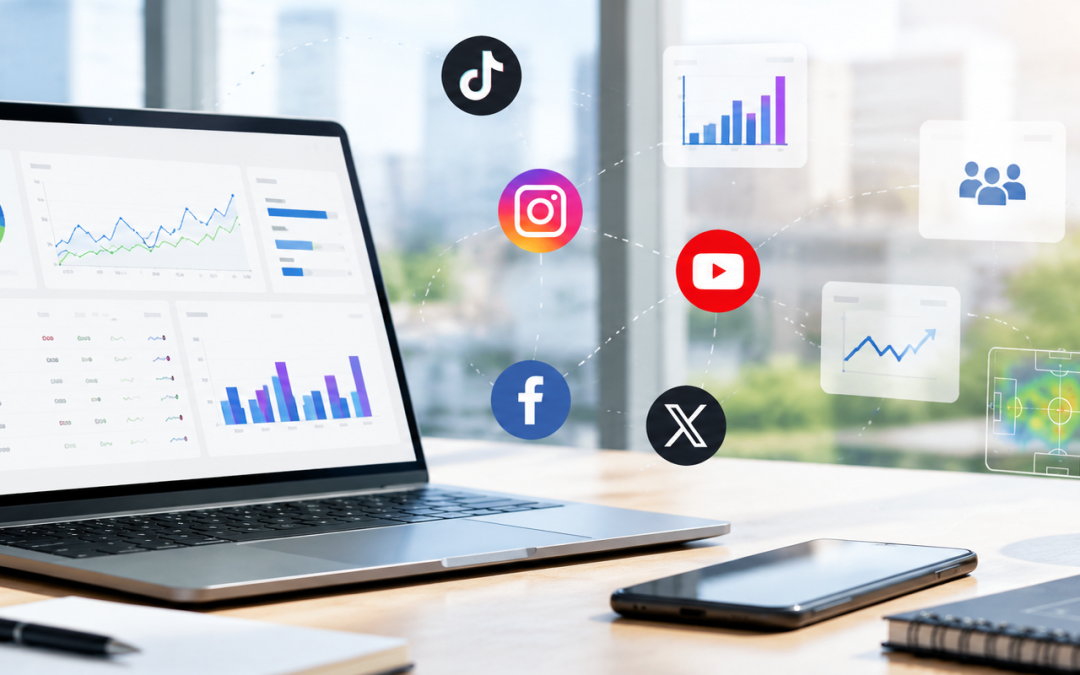
Από το scrolling στο creator intelligence: γιατί το manual monitoring δεν φτάνει πια
Γιατί τα brands δεν έχουν πλήρη εικόνα των creators, συνεργατών και ανταγωνιστών τους
Τα brands επενδύουν πλέον σημαντικούς πόρους σε social media, creators, influencers και digital συνεργασίες, ανεξάρτητα από τον κλάδο στον οποίο δραστηριοποιούνται. Δημιουργοί περιεχομένου, ambassadors, συνεργάτες, εταιρικές σελίδες και ανταγωνιστές παράγουν καθημερινά τεράστιο όγκο περιεχομένου σε Facebook, Instagram, TikTok, YouTube, LinkedIn και X.
Το ερώτημα δεν είναι πια αν παρακολουθείς αυτές τις δραστηριότητες. Το ερώτημα είναι πόσο συστηματικά το κάνεις και πόσο γρήγορα μπορείς να μετατρέψεις την πληροφορία σε αποφάσεις.
Αυτό δεν είναι πρόβλημα προθέσεων. Είναι πρόβλημα εργαλείων.
Market problem #1: Δεν ξέρεις τι ανέβηκε και πότε
Οι συνεργασίες με creators και συνεργάτες αποτελούν πλέον σημαντικό μέρος του marketing budget πολλών brands. Ένα τυπικό deal με έναν δημοφιλή creator ή influencer μπορεί να κοστίζει από μερικές εκατοντάδες έως και αρκετές χιλιάδες ευρώ. Πολλαπλασίασε το με τον αριθμό των συνεργασιών που διαχειρίζεσαι ταυτόχρονα και έχεις ένα σημαντικό τμήμα του media budget.
Κάθε συνεργασία περιλαμβάνει συνήθως συγκεκριμένους όρους σχετικά με τη δημοσίευση περιεχομένου, τα hashtags ή την προβολή προωθητικών ενεργειών. Αλλά ποιος επιβεβαιώνει ότι όλα τηρήθηκαν όπως είχαν συμφωνηθεί;
Στις περισσότερες περιπτώσεις, η διαδικασία βασίζεται σε χειροκίνητο έλεγχο ή σε επιβεβαίωση από τον ίδιο τον συνεργάτη. Όταν οι συνεργασίες είναι λίγες, αυτό είναι διαχειρίσιμο. Όταν όμως παρακολουθείς ταυτόχρονα δεκάδες creators, η διαδικασία γίνεται χρονοβόρα και είναι δύσκολο να εντοπίσεις αν κάτι δεν τηρήθηκε. Η πολυπλοκότητα μεγαλώνει ακόμα περισσότερο όταν οι ίδιοι creators συνεργάζονται ταυτόχρονα με περισσότερα από ένα ανταγωνιστικά brands.
Αποτέλεσμα: Πληρώνεις για περιεχόμενο που δεν γνωρίζεις αν ανέβηκε εγκαίρως, αν περιλάμβανε το συμφωνημένο μήνυμα ή αν είχε την απόδοση που περίμενες.
Market problem #2: Μαθαίνεις τις κινήσεις του ανταγωνισμού αφού έχουν ήδη γίνει
Ο ανταγωνισμός δεν σε ειδοποιεί. Ένας ανταγωνιστής ξεκίνησε μια νέα συνεργασία και το έμαθες μέρες αργότερα από μια ανάρτηση; Λάνσαρε νέο προϊόν ή υπηρεσία και το αντιλήφθηκες μόνο όταν άρχισε να εμφανίζεται στα social media; Άλλαξε communication angle γύρω από θέματα όπως η βιωσιμότητα, η τεχνητή νοημοσύνη ή η εμπειρία πελάτη και το κατάλαβες μόνο όταν άρχισε να επηρεάζει τη συζήτηση στον κλάδο;
Η ανταγωνιστική πληροφόρηση στα social media είναι ένα από τα πιο υποτιμημένα πλεονεκτήματα μιας ομάδας marketing. Δεν αφορά μόνο την παρακολούθηση του ανταγωνισμού. Αφορά την κατανόηση του πού κινείται ο κλάδος και η αγορά, ποια θεματολογία αποδίδει, ποιο format κερδίζει engagement, πότε ένας ανταγωνιστής ενισχύει την επικοινωνιακή του παρουσία και ποιος τελικά κερδίζει μεγαλύτερη απήχηση στα social media.
Πλέον δεν αρκεί να ξέρεις τι ποστάρουν. Χρειάζεσαι εικόνα του ποιος συνεργάζεται με ποιον, τι αποδίδει και πού κινείται ο ανταγωνισμός.
Χωρίς συστηματική παρακολούθηση, βρίσκεσαι πάντα σε αμυντική θέση. Αντιδράς αντί να προλαμβάνεις. Και σε ένα περιβάλλον όπου οι τάσεις, οι καμπάνιες και οι συνεργασίες εξελίσσονται καθημερινά, αυτή η καθυστέρηση μπορεί να κοστίσει ευκαιρίες, χρόνο και ανταγωνιστικό πλεονέκτημα.
Στην πράξη #1: Creator Tracking σε πολυκαναλική καμπάνια
Ένα brand υλοποιούσε καμπάνια διάρκειας δύο μηνών με τη συμμετοχή περισσότερων από 20 creators σε Instagram, TikTok και YouTube. Οι συνεργασίες περιλάμβαναν συγκεκριμένες ημερομηνίες δημοσίευσης, χρήση hashtags, αναφορά σε προϊόντα και προβολή προωθητικών ενεργειών.
Μέσω του Social Media Page Monitoring της Clip News, η ομάδα marketing παρακολουθούσε αυτόματα όλες τις αναρτήσεις σε πραγματικό χρόνο. Το σύστημα κατέγραφε:
- Αν το περιεχόμενο δημοσιεύτηκε σύμφωνα με το συμφωνημένο χρονοδιάγραμμα
- Αν συμπεριλήφθηκαν τα απαιτούμενα hashtags, mentions και προωθητικά μηνύματα
- Metrics απόδοσης για κάθε ανάρτηση, όπως likes, comments, shares, views και engagement score
- Συγκεντρωτική εικόνα ανά creator, πλατφόρμα και καμπάνια
Το αποτέλεσμα; Εντοπίστηκαν creators που δεν τήρησαν το συμφωνημένο χρονοδιάγραμμα, πληροφορία που δύσκολα θα μπορούσε να αξιοποιηθεί χωρίς αυτόματη καταγραφή. Παράλληλα, η ομάδα marketing αξιολόγησε με σαφήνεια ποιοι creators απέδωσαν καλύτερα.
Στην πράξη #2: Competition Benchmarking πριν από νέο product launch
Πριν από το λανσάρισμα νέας κατηγορίας υπηρεσιών, μια εταιρεία τηλεπικοινωνιών ήθελε να αποτυπώσει πώς κινούνται οι κύριοι ανταγωνιστές της στα social media, όχι επιλεκτικά, αλλά συνολικά, για διάστημα 3 μηνών.
Με το Social Media Page Monitoring της Clip News, παρακολουθήθηκαν συστηματικά οι εταιρικές σελίδες των ανταγωνιστών σε Facebook, Instagram, TikTok, LinkedIn, YouTube και X. Η ανάλυση αποκάλυψε:
- Δύο ανταγωνιστές είχαν ήδη αρχίσει να τοποθετούνται στη νέα κατηγορία πριν από το δικό τους launch.
- Το TikTok ήταν το channel με το υψηλότερο engagement ratio στον κλάδο, ενώ το budget της εταιρείας ήταν υπερβολικά συγκεντρωμένο σε Facebook.
- Ο κορυφαίος ανταγωνιστής ανέβαζε περιεχόμενο 4-5 φορές εβδομαδιαία στο Instagram με σταθερή αύξηση engagement, ενώ η δική τους συχνότητα ήταν 1-2 φορές.
- Συγκεκριμένος τύπος short-form video content είχε σημαντικά υψηλότερο engagement από οποιοδήποτε άλλο format στον κλάδο.
Τα δεδομένα αυτά επηρέασαν άμεσα τον σχεδιασμό του launch: αναδιανομή budget προς TikTok, αύξηση posting frequency και υιοθέτηση του short-form video format ως κεντρικό εργαλείο. Η ομάδα δεν αντέγραψε τον ανταγωνισμό. Τον μελέτησε και αποφάσισε πού να διαφοροποιηθεί.
Η λύση: Social Media Page Monitoring από την Clip News
Η Clip News, με παρουσία από το 1992 στο media monitoring & analysis, ανέπτυξε μια εξειδικευμένη υπηρεσία παρακολούθησης social media pages και accounts σχεδιασμένη για εταιρείες που χρειάζονται συστηματική, αυτοματοποιημένη εικόνα των creators και ανταγωνιστών τους.
Τι καλύπτει η υπηρεσία:
- Παρακολούθηση σε LinkedIn, Facebook, Instagram, TikTok, X και YouTube
- Αυτόματη συλλογή όλων των posts, reels και shorts από pages/accounts
- Πλήρη metrics ανά ανάρτηση: account followers, likes, comments, shares, views, engagement score, URL, ημερομηνία δημοσίευσης
- Email alerts για νέο περιεχόμενο κατά τη διάρκεια της ημέρας
- Κεντρική πλατφόρμα με ενοποιημένη εικόνα από όλα τα social channels
Ενδεικτικές εφαρμογές για brands και agencies
- Influencer & Creator Evaluation: Έλεγχος αν δημοσιεύτηκε το συμφωνημένο περιεχόμενο τις προκαθορισμένες ημέρες και αξιολόγηση απόδοσης ανά creator
- Competitive Benchmarking: Συγκριτική ανάλυση συχνότητας, θεματολογίας και engagement των ανταγωνιστών σε όλα τα channels
- Strategic Content Planning: Αξιοποίηση δεδομένων engagement για βελτίωση content strategy βάσει αποδεδειγμένων patterns
Το Social Media Page Monitoring της Clip News λειτουργεί ως εργαλείο creator intelligence για brands και agencies που χρειάζονται συγκεντρωτική εικόνα της δραστηριότητας creators, συνεργατών και ανταγωνιστών σε TikTok, Instagram, Facebook, X, YouTube και LinkedIn.
Με αυτοματοποιημένη παρακολούθηση και real-time δεδομένα, οι ομάδες marketing μπορούν να παρακολουθούν πιο εύκολα συνεργασίες, competitor activity και trends που διαμορφώνονται στον κλάδο.
Για περισσότερες πληροφορίες σχετικά με την παρακολούθηση των συνεργασιών σας αλλά και του ανταγωνισμού σας, επικοινωνήστε μαζί μας ή συμπληρώστε την παρακάτω φόρμα.
Το άρθρο δημοσιεύτηκε στο advertising.gr στις 09/06/2026

Η Clip News συμμετείχε ως χορηγός στο AI in Marketing Conference 2025, που διοργανώθηκε από τη Boussias Events και πραγματοποιήθηκε στο OTEAcademy, συγκεντρώνοντας κορυφαία στελέχη της επικοινωνίας, του marketing και της τεχνολογίας. Το συνέδριο ανέδειξε τον καθοριστικό ρόλο της τεχνητής νοημοσύνης στη στρατηγική marketing, την ανάλυση δεδομένων, τη δημιουργία περιεχομένου και την προστασία της φήμης των brands. Για την Clip News, η στήριξη αυτής της πρωτοβουλίας αντικατοπτρίζει τη διαρκή μας δέσμευση στην καινοτομία και στη διασύνδεση της τεχνολογίας με την επικοινωνία.
Η Αντιπρόεδρος της Clip News στη σκηνή
Η Vice-President Media Intelligence της Clip News, Κατερίνα Κεχαγιά, παρουσίασε την ομιλία «AI-Powered Media Monitoring: Transforming Marketing Strategies with Real-Time Insights», κατά τη διάρκεια της οποίας ανέλυσε πώς η τεχνητή νοημοσύνη μεταμορφώνει το media monitoring από εργαλείο καταγραφής της δημοσιότητας σε στρατηγικό σύμμαχο. Με έμφαση στην ανίχνευση κρίσεων σε πραγματικό χρόνο, την ανάλυση του sentiment (θετικό, ουδέτερο, αρνητικό), και την πρόβλεψη τάσεων, τόνισε πως τα brands μπορούν πλέον να ενισχύσουν την αφήγημά τους και να μεγιστοποιήσουν την εμπλοκή του κοινού. Παράλληλα, αναφέρθηκε στη σημασία της δεοντολογικής χρήσης της AI, υπογραμμίζοντας τον ρόλο της ανθρώπινης εποπτείας και της διαφάνειας στα δεδομένα.

Η ομιλία της στο AI in Marketing Conference περιελάμβανε το πρόσφατο πραγματικό case study με τις φθορές στην Εθνική Πινακοθήκη από τον βουλευτή “Νίκης” Νίκο Παπαδόπουλο. Το θέμα είχε συγκεντρώσει 2.156 δημοσιεύματα, posts και σχόλια σε websites και social media σε μόλις 2 ώρες και πάνω από 100.000 μέσα σε 10 ημέρες! Τα στελέχη marketing και επικοινωνίας μπορούν να αξιοποιήσουν την τεχνολογία χωρίς να «θυσιάζουν» τον έλεγχο της εικόνας του brand τους με εργαλεία όπως:
- Thematic clustering
- Real-time monitoring
- Sentiment analysis
- Email alerts
Και κυρίως… με συνδυασμό ανθρώπινης εμπειρίας και AI τεχνολογίας.

Τι είπαν οι υπόλοιποι ομιλητές
- Η Ντέμη Καζάση (Digital Team Member, Hellenic Advertisers Association) μίλησε για τον επανασχεδιασμό της παγκόσμιας marketing διαδικασίας, εστιάζοντας σε ψηφιακές εμπειρίες και πειραματισμό.
- Η Nicole Mezzasalma (Senior Consultant & Innovation, Battenhall) παρουσίασε πώς η AI επηρεάζει τη στρατηγική στα social media, με παραδείγματα και πρακτικά εργαλεία.
- Ο Charlie Hills (Founder, Cognified) ανέλυσε πώς να παράγεται αυθεντικό AI περιεχόμενο που πραγματικά μετατρέπει και δεν αποξενώνει το κοινό.
- Η Ιουστίνη Παπαβασιλείου (Business Unit Director – Marketing Strategy, Consumer Insights & MarTech Solutions, MAX Greece) ανέλυσε πώς η AI βοηθά στη μείωση του media waste και στη δημιουργία αποδοτικών, data-driven καμπανιών.
- Ο Oliver Yonchev (Founder, cocreatd) αμφισβήτησε τη φήμη ότι η AI «σκοτώνει» τη δημιουργικότητα, προτείνοντας τρόπους συνύπαρξης.
- Η Ελεάννα Ταβλικού (Instructor, Knowcrunch & Digital Creator, Human Minds) ανέδειξε την επανάσταση στα οπτικά μέσα μέσω AI, με case studies για εξατομικευμένο και αποδοτικό περιεχόμενο.
- Η Έλενα Μπούκα (AI Legal Counsel) παρουσίασε τις εξελίξεις της Ευρωπαϊκής Νομοθεσίας για την AI, τις απαγορεύσεις, τις ρυθμίσεις για το generative AI και τι σημαίνουν για το marketing.
- Η Τάνια Γιακουμάκη (General Manager, Curious Ahead) μίλησε για την ενσωμάτωση AI στις στρατηγικές επιχειρησιακής ανάπτυξης και branding.
- Ο Χρήστος Πασάς (Digital Business Unit Director | Head of AI, Curious Ahead) εισήγαγε την έννοια του Generative Engine Optimization (GEO) και την ανάγκη προστασίας της φήμης σε AI-driven αναζητήσεις.
- Dan Debnam (Founder, Inovara) εξήγησε πώς οι AI agents αλλάζουν ριζικά το SEO και την αναζήτηση περιεχομένου.
- Jérémy Grandillon (CEO, TC9) τόνισε πώς η AI μπορεί να εξαλείψει τις χρονοβόρες διαδικασίες στις πωλήσεις και να αυξήσει την απόδοση.
Final Insights – Μαθήματα και Προοπτικές
Η τελική συζήτηση της πρώτης μέρας του AI in Marketing Conference, υπό τον συντονισμό του δημοσιογράφου Robert Pefanis, ανέδειξε τις κύριες τάσεις και τα επόμενα βήματα στην αξιοποίηση της AI στο marketing. Συμμετείχαν οι Ιωάννης Καμηλάκης (Marketing Director, Public Group), Πάνος Μπάσιος (Digital, Data & Analytics Director, MSD) και Μαίριλυ Μητροπούλου (Country Marketing Manager, Plum), παρουσιάζοντας πρακτικές εφαρμογές AI σε πωλήσεις, περιεχόμενο και στρατηγική.

Η Clip News συνεχίζει να επενδύει δυναμικά στο μέλλον του media monitoring με ενσωμάτωση της τεχνητής νοημοσύνης, δίνοντας το παρόν σε σημαντικά συνέδρια και στηρίζοντας τον δημιουργικό και στρατηγικό μετασχηματισμό της αγοράς. Παρακολουθήστε τις εξελίξεις μαζί μας – γιατί η πληροφορία είναι δύναμη και η τεχνητή νοημοσύνη είναι ο επιταχυντής της!
Περισσότερες πληροφορίες για το AI in Marketing Conference μπορείτε να βρείτε εδώ.

Η Kimberly Guilfoyle, η νέα Πρέσβειρα των ΗΠΑ στην Ελλάδα, αποτέλεσε αντικείμενο έντονης δημοσιότητας και σχολιασμού. Η επαγγελματική της διαδρομή -από την καριέρα της ως εισαγγελέας και παρουσιάστρια στο FOX μέχρι τη σχέση της με τον Donald Trump Jr.- συγκέντρωσε το ενδιαφέρον ελληνικών και διεθνών μέσων, δημιουργώντας ένα πλούσιο πεδίο για ανάλυση μέσω των εργαλείων Digital Listening.
Digital Listening: Το Μυστικό για τη Διαχείριση της Δημοσιότητας
Οι αναλυτές της Clip News, αξιοποιώντας την πλατφόρμα Brandwatch, επεξεργάστηκαν και ανέλυσαν χιλιάδες δεδομένα από ειδησεογραφικά sites, blogs, forums και social media στην Ελλάδα (συνολικά 10.182 αναφορές στο θέμα) για το διάστημα 10-19 Δεκεμβρίου 2024. Η ανάλυσή μας αποκάλυψε πολύτιμα insights για τη δημοσιότητα της Kimberly Guilfoyle! Η προσέγγισή μας περιλάμβανε:
- Αναζήτηση και παρακολούθηση αναφορών στο θέμα με advanced queries.
- Επεξεργασία αναφορών για κατηγοριοποίηση επιμέρους θεμάτων.
- Sentiment Analysis για τον εντοπισμό θετικών, αρνητικών και ουδέτερων αναφορών.
- Ποσοτική και ποιοτική αποτύπωση της δημοσιότητας.

Evolution: Πώς Εξελίχθηκε η Δημοσιότητα
Η δημοσιότητα για την Kimberly Guilfoyle παρουσίασε σημαντικές διακυμάνσεις, με το υψηλότερο peak αναφορών να εμφανίζεται στις 11 Δεκεμβρίου. Από την ανάλυση προέκυψαν τα εξής:
- Έκρηξη αναφορών την ημέρα ανακοίνωσης της υποψηφιότητας.
- Ομαλή πτωτική πορεία της δημοσιότητας μέχρι τις 16 Δεκεμβρίου.
- Σταθεροποίηση των αναφορών στα κοινωνικά δίκτυα, ενώ τα ειδησεογραφικά μέσα εμφάνισαν νέα, αλλά όχι έντονη, άνοδο.
Η Kimberly Guilfoyle κέρδισε δημοσιότητα μέσω της επικοινωνίας της με τον Αρχιεπίσκοπο Αμερικής Ελπιδοφόρο, μια κλασική κίνηση των διπλωματών που έρχονται στην Ελλάδα. Εξίσου σημαντική δημοσιότητα έλαβε η αναφορά του Trump Jr. σε άκρως θετικό έως αποθεωτικό τόνο, για τις ικανότητες και την προσωπικότητά της.
Sentiment Analysis και Top Topics
Το Digital Listening αποκάλυψε ότι το αρνητικό sentiment κυριάρχησε στο Twitter και στο Facebook, με αναλογία 2:1 έναντι θετικών αναφορών. Η αναλυτική ματιά στα δεδομένα ανέδειξε τρεις βασικούς άξονες αρνητικής δημοσιότητας:
- Δηλώσεις της Kimberly Guilfoyle το 2015, που απαξιώνει την συμπεριφορά και τις συνήθειες των Ελλήνων.
- Σχόλια για την παρουσία της στο FOX, συχνά με σεξιστικό τόνο.
- Ισχυρή επισήμανση του γεγονότος ότι, ως πρώην μνηστή του υιού Trump, και μέλος της οικογένειας με την ευρεία έννοια, επελέγη για Πρέσβειρα στην Ελλάδα – μια χώρα που δεν θεωρείται αρκετά σημαντική, ώστε οι ΗΠΑ να εκπροσωπηθούν από στέλεχος του διπλωματικού σώματος.

Η Αντίδραση των Ελληνικών Media
Μια ματιά στα ελληνικά websites, δεδομένου κύρους και αξιοπιστίας, που έδωσαν βάρος και σημαντική προβολή στο θέμα, φέρνει στην κορυφή της κατάταξης τα παρακάτω ενημερωτικά μέσα: protothema.gr, enikos.gr, newsbomb.gr, topontiki.gr. Χωρίς να παρουσιάζει ουσιώδεις διαφορές μεταξύ τους, το μείγμα θεματολογίας και προσέγγισης των συγκεκριμένων μέσων χαρακτηρίζεται από προσεγμένες διατυπώσεις επαγγελματικής δημοσιογραφίας.
Αξίζει να αναφερθεί πάντως ότι υπήρξαν και κάποιοι αναλυτές -κυρίως στον Τύπο και στα ραδιοτηλεοπτικά μέσα– που έκαναν μνεία του γεγονότος ότι το διπλωματικό έργο στις Πρεσβείες παράγεται από τους διπλωμάτες καριέρας. Αντιθέτως, μια «λαμπερή» επιλογή σαν την Kimberly Guilfoyle δεν προσδιορίζει το πολιτικό αποτέλεσμα. Ωστόσο, οι συγκεκριμένοι αναλυτές διαμορφώνουν κλίμα σε δεύτερο χρόνο και αφού ολοκληρώθηκε το «σύννεφο» online δημοσιότητας της πρώτης περιόδου με την ανακοίνωση της είδησης.
Digital Listening και Διαχείριση Δημόσιας Εικόνας
Παρόλο που δεν μπορούν να γίνουν συγκεκριμένες πολιτικές προβλέψεις βάσει των δεδομένων δημοσιότητας, η ανάλυσή μας καθιστά σαφές ότι η Guilfoyle θα χρειαστεί να αναλάβει πρωτοβουλίες για να αντιστρέψει την αρνητική εικόνα που δημιουργήθηκε αρχικά στα ελληνικά media και ειδικά στα κοινωνικά δίκτυα.
Με τα σωστά εργαλεία, όπως η πλατφόρμα Brandwatch, και τη στρατηγική αξιοποίηση των δεδομένων δημοσιότητας, προσφέρονται απαντήσεις για την αποτελεσματική διαχείριση της δημοσιότητας. Στην περίπτωση της Kimberly Guilfoyle, τα insights συνέβαλαν στην κατανόηση του sentiment του κοινού και των θεμάτων που απασχολούν περισσότερο.
Το Digital Listening αποδεικνύεται αναντικατάστατο εργαλείο για την ανάλυση της δημόσιας εικόνας. Επιτρέπει στα brands και τα δημόσια πρόσωπα να εντοπίζουν σημεία προς βελτίωση και να αναπτύσσουν στοχευμένες στρατηγικές επικοινωνίας που ενισχύουν τη φήμη τους.
Ταυτότητα ανάλυσης
Digital Listening Tool: Brandwatch
Χρονικό διάστημα: 1-19/11/2024
Πηγές: Websites, Blogs, Forums, Social Media (με τους περιορισμούς που ορίζει κάθε μέσο)
Keywording/Analysis: Clip News
Η παραπάνω ανάλυση αποτελεί μια ενδεικτική προσέγγιση, λαμβάνοντας υπόψη ότι διαφοροποίηση σε δείγμα των media data και χρονικό πλαίσιο μπορεί να φέρει μια διαφορετική εικόνα.

Τι συμβαίνει όταν ένα brand ξαφνικά αντιμετωπίζει ένα PR crisis που απειλεί τη φήμη του; Κάτι τέτοιο μπορεί να εξελιχθεί σε εφιάλτη για τις δημόσιες σχέσεις – εκτός αν το διαχειριστείτε άμεσα και σωστά.
Ας δούμε ένα παράδειγμα: Μια πασίγνωστη εταιρεία από τον κλάδο των τροφίμων-ποτών αναγκάζεται να ανακαλέσει παρτίδες των προϊόντων της λόγω ανησυχιών για μόλυνση. Σχεδόν αμέσως, το περιστατικό προκαλεί κύμα αρνητικής δημοσιότητας στα websites και αντιδράσεις στα social media με ολοφάνερη την αγανάκτηση των καταναλωτών.
Για τις εταιρείες στον τομέα των FMCG, όπου η εμπιστοσύνη των καταναλωτών είναι υψίστης σημασίας, μια τέτοια κρίση αρνητικής δημοσιότητας μπορεί να είναι καταστροφική. Ωστόσο, με τα σωστά εργαλεία, μια κρίση μπορεί να γίνει ευκαιρία για την αναδόμηση της εμπιστοσύνης. Εδώ είναι που το media monitoring και το digital listening κάνουν τη διαφορά.
Επισκόπηση Κρίσης
Στη βιομηχανία FMCG, ειδικά για εταιρείες που διαχειρίζονται καταναλωτικά προϊόντα όπως τα τρόφιμα και τα ποτά, η ασφάλεια των προϊόντων αποτελεί κορυφαία προτεραιότητα. Ένα πρόβλημα μόλυνσης μπορεί να κλιμακωθεί γρήγορα, καθώς οι καταναλωτές μοιράζονται τις ανησυχίες τους στα social media (όπως Facebook, Twitter, Forum), αλλά και τα ΜΜΕ αναπαράγουν την είδηση σε έντυπα, ραδιοτηλεοπτικά και κυρίως online μέσα (ειδησεογραφικά websites). Στη συγκεκριμένη περίπτωση, η ανάκληση προϊόντων γρήγορα έγινε αντικείμενο συζητήσεων, με τους καταναλωτές να αμφισβητούν τη δέσμευση της μάρκας για ασφάλεια και διαφάνεια.
Η αρχική απάντηση της εταιρείας απέτυχε να αντιμετωπίσει τις κύριες ανησυχίες του κοινού. Ως αποτέλεσμα, το αρνητικό sentiment συνέχισε να αυξάνεται, με τους χρήστες των social media να μοιράζονται την απογοήτευση και την οργή τους. Ακόμα και οι ανταγωνιστές εκμεταλλεύτηκαν την ευκαιρία, τονίζοντας τις δικές τους πρακτικές ασφάλειας, υποσκάπτοντας περαιτέρω τη θέση του εν λόγω brand στην αγορά.
Ο Ρόλος του Digital Listening
Αυτό είναι το σημείο όπου το media monitoring -και πιο συγκεκριμένα το digital listening– θα μπορούσε να είχε αλλάξει σημαντικά τη στρατηγική απάντησης του brand. Παρακολουθώντας το sentiment σε πραγματικό χρόνο, το brand θα μπορούσε να είχε εντοπίσει την αρνητική χροιά των συζητήσεων στα social media και στα online άρθρα από τη στιγμή που ξέσπασε η ιστορία της ανάκλησης. Η κατανόηση της ταχύτητας και της κλίμακας της αντίδρασης θα είχε επιτρέψει μια πιο γρήγορη και προσαρμοσμένη απάντηση, με στόχο την αντιμετώπιση των ανησυχιών τόσο των καταναλωτών όσο και των μέσων ενημέρωσης.
Τα εργαλεία digital listening μπορούν να εμβαθύνουν περισσότερο από το media monitoring, αποκαλύπτοντας διαφορετικές ανησυχίες του κοινού. Για παράδειγμα, οι καταναλωτές ανησυχούν περισσότερο για τους κινδύνους υγείας ή για την έλλειψη διαφάνειας της εταιρείας; Αναλύοντας τις συνομιλίες, το brand μπορεί να διαμορφώσει στοχευμένα μηνύματα που απευθύνονται άμεσα σε αυτές τις ανησυχίες, όπως μια σαφή εξήγηση της διαδικασίας ανάκλησης ή των βημάτων που λαμβάνονται για να διασφαλιστεί η ασφάλεια των προϊόντων στο μέλλον.
Επιπλέον, το digital listening επιτρέπει στα brands να εντοπίζουν βασικούς influencers -δημοσιογράφους, bloggers και προσωπικότητες στα social media- που διαμορφώνουν τη συζήτηση. Η άμεση αλληλεπίδραση με αυτές τις online φωνές μπορεί να βοηθήσει στον καθορισμό του αφηγήματος, μετατρέποντας την κατάσταση προς όφελος της εταιρείας.
Επίπτωση του PR crisis στο Brand
Μια ανάκληση προϊόντων στη βιομηχανία FMCG δεν αποτελεί μόνο μια πρόκληση σε επίπεδο logistics. Είναι και ένας κίνδυνος για τη φήμη του brand που έχτιζε αργά και σταθερά εδώ και χρόνια. Η κακή διαχείριση μιας ανάκλησης μπορεί να οδηγήσει σε απώλεια της εμπιστοσύνης των καταναλωτών, η οποία ενδεχομένως να χρειαστεί μήνες ή και χρόνια για να αποκατασταθεί.
Στην προκειμένη περίπτωση, η αργή και αόριστη αρχική απάντηση της εταιρείας βάθυνε την κρίση, οδηγώντας σε αύξηση των αρνητικών σχολίων στα κοινωνικά μέσα και σε πτώση των πωλήσεων. Αυτό δείχνει πώς μια μη αποτελεσματική διαχείριση ανάκλησης προϊόντων μπορεί να μετατραπεί από ένα online PR crisis σε ένα ευρύτερο επιχειρηματικό πρόβλημα.

Ταχεία Ανταπόκριση και Ανάλυση
Σε αντίστοιχο περιστατικό ανάκλησης προϊόντων, η Clip News ενεργοποίησε αμέσως τις δοκιμασμένες και αποτελεσματικές διαδικασίες που έχει αναπτύξει για περιπτώσεις PR crisis, προκειμένου να διαχειριστεί την απότομη αύξηση των media data (πάνω από 3.500 αναφορές τη μέρα για το brand σε internet και social media).
Δημιουργήθηκαν άμεσα επιπλέον βάρδιες, διασφαλίζοντας ότι η ομάδα των αναλυτών μας ήταν διαθέσιμη 24/7 για να παρακολουθεί την εξέλιξη της κατάστασης και να αποστέλλει τακτικά updated crisis reports στον συνδρομητή.
Το τμήμα Keywording ρύθμισε σε ελάχιστο χρόνο την παρακολούθηση λέξεων-κλειδιών στην πλατφόρμα μας, προσθέτοντας τους πιο κρίσιμους όρους, φράσεις και hashtags που σχετίζονταν με το περιστατικό. Αυτό μας επέτρεψε να έχουμε πλήρη κάλυψη του θέματος χωρίς να χαθούν δημοσιεύματα ή σχόλια.
Αν και αρχικά το crisis ξέσπασε στα social media, το προφίλ αναζήτησης «χτίστηκε» αυτομάτως στο σύνολο των Μέσων που παρακολουθεί η Clip News (internet, social media, έντυπα, ραδιόφωνο και τηλεόραση). Με αυτόν τον τρόπο εντοπίσαμε άμεσα πότε και πώς επεκτάθηκε η συγκεκριμένη είδηση σε όλα τα κανάλια επικοινωνίας.
Επιπλέον, πραγματοποιήσαμε εκτενές tagging (διαχωρισμός του θέματος σε υποκατηγορίες), καθώς και sentiment analysis (ουδέτερο, αρνητικό, θετικό) για να παρέχουμε στο brand μια σαφή και πλήρη εικόνα του τι λένε οι καταναλωτές, τις ανησυχίες τους και τις αναδυόμενες τάσεις στη συζήτηση.
Η ανάλυση sentiment κατηγοριοποιεί τις αναφορές της δημοσιότητάς σας ως θετικές, αρνητικές ή ουδέτερες, προσφέροντας μια λεπτομερή εικόνα της γνώμης του κοινού. Αυτή η προσέγγιση επιτρέπει στο brand να εντοπίζει γρήγορα σημεία ανησυχίας, να προσαρμόζει το μήνυμα και να αλληλεπιδρά πιο αποτελεσματικά με τους καταναλωτές.
Ο συνδυασμός τεχνολογίας AI για ταχύτητα στην επεξεργασία των media data και της ανθρώπινης εμπειρίας των αναλυτών μας για ακρίβεια διασφαλίζει ότι λαμβάνετε αξιόπιστα δεδομένα όσο το δυνατόν πιο άμεσα. Κάτι τέτοιο αποτελεί κλειδί προκειμένου να ανταποκριθείτε έγκαιρα σε ένα περιστατικό αρνητικής δημοσιότητας, να ανιχνεύσετε αρκετά νωρίς τις αντιδράσεις των καταναλωτών και να προσαρμόσετε αναλόγως το PR crisis management πλάνο σας.
Key Takeaways
- Η Ταχύτητα και η Διαφάνεια Είναι Κρίσιμες: Η ειλικρίνεια για τα λάθη και η παρουσίαση ενός σαφούς σχεδίου αντιμετώπισης του προβλήματος είναι ζωτικής σημασίας στην αντιμετώπιση μιας κρίσης. Μια αποτελεσματική απάντηση είναι απαραίτητο να στοχεύει στις ανησυχίες που εκφράζονται από το κοινό. Συνεπώς είναι κρίσιμο να εντοπιστούν, αλλά και να αναλυθούν οι συζητήσεις γύρω από το θέμα, προκειμένου να ανακτηθεί μέρος της εμπιστοσύνης των καταναλωτών πιο γρήγορα.
- Χρήση Digital Listening Tools για Καλύτερα Αποτελέσματα: Τα εργαλεία παρακολούθησης digital listening μπορούν να καθοδηγήσουν ένα brand στη διαμόρφωση μιας πιο στοχευμένης απάντησης. Στην πρώτη περίπτωση που περιγράψαμε, αν η εταιρεία είχε παρακολουθήσει στενά το sentiment στα social media, θα μπορούσε να είχε εντοπίσει ότι οι καταναλωτές ήταν αναστατωμένοι περισσότερο για την έλλειψη διαφάνειας παρά για την ίδια τη μόλυνση μιας συγκεκριμένης παρτίδας προϊόντος.
- Ανθεκτικότητα μέσω Συνεχούς Media Monitoring: Πέρα από περιστατικά κρίσης, η συνεχής παρακολούθηση της δημοσιότητας ενός brand βοηθά τις εταιρείες να εντοπίζουν πιθανά προβλήματα προτού κλιμακωθούν. Με τη συνεχή παρακολούθηση του τρόπου με τον οποίο οι καταναλωτές αντιλαμβάνονται τα προϊόντα και τα μηνύματα των εταιρειών, οι brand managers μπορούν να είναι καλύτερα προετοιμασμένοι για μελλοντικές προκλήσεις.
Μετατροπή Πρόκλησης σε Ευκαιρία
Λόγω της συνεχόμενης ροής πληροφοριών στο internet και ειδικά στα social media, η φήμη ενός brand μπορεί πλέον να επηρεαστεί από τη μια μέρα στην άλλη. Αλλά με συνεχόμενο media monitoring και αξιοποίηση του digital listening, ακόμα και οι πιο δύσκολες κρίσεις μπορούν να γίνουν διαχειρίσιμες.
Ακόμα πιο σημαντική ίσως είναι η δυνατότητα να μετατρέψετε ένα PR crisis σε ευκαιρία. Κάνοντας μια αποτίμηση του τι λειτούργησε αποτελεσματικά και τι όχι, σας δίνεται η δυνατότητα να βελτιώσετε τη στρατηγική σας για την αντιμετώπιση τέτοιων περιστατικών, ώστε την επόμενη φορά να είστε προετοιμασμένοι και να δράσετε πιο αποτελεσματικά.
Για τις μάρκες FMCG, όπου η ασφάλεια των προϊόντων είναι κρίσιμη, τα εργαλεία media monitoring και digital listening δεν είναι απλά μια επιλογή – είναι αναγκαιότητα. Το βασικό ερώτημα για κάθε brand είναι: Ακούτε τι λένε οι πελάτες σας πριν να είναι πολύ αργά;
Τα PR Crisis Reports της Clip News είναι απόλυτα προσαρμοσμένα στις ανάγκες σας, προσφέροντάς σας τη δυνατότητα να ενημερώνεστε άμεσα σε κάθε κρίση αρνητικής δημοσιότητας. Διαβάστε περισσότερα σχετικά με τις υπηρεσίες μας Media Monitoring & Analysis για PR Crisis.

Η ανάλυση συναισθήματος (sentiment analysis) στα social media έχει εξελιχθεί σε ένα ισχυρό εργαλείο για τις επιχειρήσεις που θέλουν να κατανοήσουν σε βάθος τη φωνή των καταναλωτών τους. Με τη συνεχή ροή δεδομένων από τις διαδικτυακές πλατφόρμες, οι εταιρείες μπορούν να αποκτήσουν σημαντική γνώση σχετικά με τις απόψεις, τα συναισθήματα και τις τάσεις που διαμορφώνονται γύρω από τα προϊόντα και τις υπηρεσίες τους.
Η χρήση του sentiment analysis δεν αφορά μόνο τον εντοπισμό θετικών ή αρνητικών σχολίων, αλλά την κατανόηση των συναισθηματικών τάσεων που καθοδηγούν τις αγοραστικές συμπεριφορές και τη φήμη μιας μάρκας. Μέσω αυτής της διαδικασίας, οι επιχειρήσεις μπορούν να ενισχύσουν τις στρατηγικές τους, να διαχειριστούν κρίσεις δημοσιότητας πριν αυτές εξελιχθούν και να προσαρμόσουν την επικοινωνία τους σε πραγματικό χρόνο, βασισμένες σε ακριβή, ποιοτικά δεδομένα.
Τι είναι Sentiment Analysis;
Πρόκειται για τη διαδικασία κατά την οποία εξετάζονται οι αναφορές ενός brand στα μέσα ενημέρωσης (έντυπα, websites, blogs, social media) για να προσδιοριστεί η συναισθηματική τους χροιά (θετικό, ουδέτερο ή αρνητικό). Συγκεκριμένα για τα social media, η διαδικασία αυτή πραγματοποιείται για posts και σχόλια σε διαδικτυακές πλατφόρμες, δηλαδή X (Twitter), Facebook, Instagram, Reddit, Forums, Tumblr, YouTube. Με απλά λόγια, η ανάλυση αυτή βοηθά τις επιχειρήσεις να καταλάβουν εάν οι αναφορές σχετικά με την εταιρεία, τα προϊόντα ή τις υπηρεσίες τους είναι θετικές, αρνητικές ή ουδέτερες.
Χρησιμοποιώντας ειδικά εργαλεία social listening που βασίζονται στην τεχνητή νοημοσύνη (AI), οι επιχειρήσεις μπορούν να συλλέγουν και να αναλύουν αυτά τα δεδομένα σε πραγματικό χρόνο, αποκτώντας μια σαφή εικόνα για το πώς αντιδρούν οι καταναλωτές και το κοινό τους. Η παρέμβαση των αναλυτών είναι φυσικά απαραίτητη, προκειμένου να πραγματοποιούν διορθώσεις στο αυτόματο sentiment, καθώς οι ιδιαιτερότητες κάθε γλώσσας περιορίζουν την αλάνθαστη ανίχνευση ειρωνείας ή χιούμορ.
Πόσο Ακριβή Είναι τα Σύγχρονα Εργαλεία Ανάλυσης Συναισθήματος;
Τα τρέχοντα αυτόματα εργαλεία ανάλυσης συναισθήματος μπορούν να επιτύχουν ένα ικανοποιητικό επίπεδο ακρίβειας, ωστόσο η απόδοσή τους εξαρτάται από διάφορους παράγοντες:
- Επίπεδα Ακρίβειας: Τα εργαλεία συνήθως παρουσιάζουν ακρίβεια από 60-75%, αλλά αυτό μπορεί να ποικίλει ανάλογα με την πηγή δεδομένων και την πολυπλοκότητα της γλώσσας (Brandwatch).
- Μοντέλα Ανάλυσης: Έρευνες δείχνουν ότι οι αναλυτές συμφωνούν για το συναίσθημα σε ποσοστό 80-85%, που αποτελεί σημείο αναφοράς για τα εργαλεία sentiment analysis. Ένα βασικό μοντέλο ανάλυσης έφτασε το 81.5%, πλησιάζοντας την ανθρώπινη ακρίβεια, ενώ πιο προηγμένα συστήματα βασισμένα σε φράσεις έφτασαν το 70.5% (Lexalytics).
- Παράγοντες που Επηρεάζουν την Ακρίβεια: Η ποιότητα των δεδομένων παίζει κρίσιμο ρόλο, καθώς λανθασμένα δεδομένα μπορούν να επηρεάσουν αρνητικά τα αποτελέσματα. Αυτό σημαίνει ότι απαιτείται ο έλεγχος από αναλυτές και η αφαίρεση άσχετων με το θέμα αναφορών. Επίσης, η ειρωνεία, οι ιδιωματισμοί και η εκάστοτε γλώσσα προκαλούν δυσκολίες στους αλγόριθμους (Brandwatch).
Πώς Ενισχύει τη Στρατηγική Επικοινωνίας
Η ανάλυση συναισθήματος αποτελεί ποιοτική ανάλυση των δεδομένων δημοσιότητας, καθώς ξεφεύγει από την απλή καταμέτρηση του όγκου δημοσιότητας. Αυτό επιτρέπει στις επιχειρήσεις να διαμορφώσουν μια πιο στοχευμένη και αποτελεσματική στρατηγική επικοινωνίας. Αναλύοντας τα συναισθήματα που εκφράζουν οι χρήστες στα social media, οι εταιρείες μπορούν να εντοπίσουν άμεσα τυχόν αρνητικές αντιδράσεις ή προβλήματα στα προϊόντα ή τις υπηρεσίες τους. Αυτή η γνώση δίνει τη δυνατότητα για άμεση δράση, όπως η διαχείριση αρνητικών σχολίων ή η αντιμετώπιση πιθανού PR crisis πριν πάρει μεγάλες διαστάσεις. Ταυτόχρονα, η ανάλυση συναισθήματος βοηθά στην προσαρμογή του ύφους της επικοινωνίας, ώστε να ανταποκρίνεται καλύτερα στις ανάγκες και τις επιθυμίες του κοινού, ενισχύοντας έτσι τη θετική εικόνα του brand.
Επιπλέον, μπορεί να ενισχύσει τις marketing campaigns με βάση τα δεδομένα που συγκεντρώνονται από τις θετικές αναφορές και τις προτιμήσεις των καταναλωτών. Για παράδειγμα, μια επιχείρηση μπορεί να δει ποια χαρακτηριστικά ενός προϊόντος προκαλούν ενθουσιασμό στο κοινό και να επικεντρωθεί σε αυτά για να ενισχύσει την προώθηση. Έτσι, οι επιχειρήσεις μπορούν να δημιουργούν πιο στοχευμένες και αποδοτικές διαφημιστικές ενέργειες που ανταποκρίνονται άμεσα στις προσδοκίες και τα συναισθήματα του κοινού τους.
Use Cases από τον Επιχειρηματικό Κόσμο
- Εταιρεία Μόδας και Rebranding
Μια εταιρεία μόδας προχωρά σε πλήρη rebranding με μια καμπάνια που περιλαμβάνει συνεργασίες με influencers, νέο slogan, Google και Meta ads, καθώς και διαφήμιση σε offline μέσα, όπως τηλεόραση, ραδιόφωνο και έντυπα. Η ομάδα marketing συνεργάστηκε με PR, advertising και digital agencies για τον σχεδιασμό και την υλοποίηση, επενδύοντας σημαντικά κεφάλαια. Σε μια τέτοια περίπτωση, η ανάγκη για συνεχή και real-time παρακολούθηση των αντιδράσεων των καταναλωτών είναι απολύτως απαραίτητη. Η εταιρεία χρειάζεται να γνωρίζει άμεσα αν το μήνυμα του rebranding και η αίσθηση που θέλει να περάσει “αγγίζουν” τους καταναλωτές, και να προσαρμόζει την επικοινωνιακή της στρατηγική ανάλογα με τα δεδομένα που συλλέγονται από τα σχόλια των χρηστών στα social media και ειδικά από το sentiment των σχολίων.
- Αντιμετώπιση #Cancel Καμπάνιας
Μια εταιρεία λαμβάνει αποφάσεις που αφορούν εργασιακά ή περιβαλλοντικά ζητήματα, οι οποίες προκαλούν έντονες αντιδράσεις στο κοινό. Στα social media ξεκινά μια καμπάνια #cancel κατά του brand, απειλώντας τη φήμη και την εμπιστοσύνη που είχε χτίσει μέχρι πρότινος. Σε αυτή την κρίσιμη στιγμή, η ανάλυση συναισθήματος επιτρέπει στο αρμόδιο τμήμα crisis management και στη διοίκηση να παρακολουθούν σε πραγματικό χρόνο την εξέλιξη της κατάστασης. Με βάση τα δεδομένα που συλλέγονται, μπορούν να προσαρμόσουν τις επανορθωτικές ενέργειες, να αξιολογήσουν την αποτελεσματικότητα των προσπαθειών αποκατάστασης της εμπιστοσύνης και να αντιδράσουν άμεσα στις τάσεις που διαμορφώνονται στα social media.
Παραδείγματα Κλάδων που Επωφελούνται από το Sentiment Analysis
Αυτοκινητοβιομηχανία: Οι κατασκευαστές αυτοκινήτων χρησιμοποιούν τα δεδομένα από την ανάλυση συναισθήματος για να κατανοήσουν την εμπειρία των χρηστών με τα οχήματά τους. Μέσω των αναφορών στα social media, μπορούν να δουν τι αρέσει στους πελάτες και να εντοπίσουν προβλήματα που επηρεάζουν την εικόνα της μάρκας τους.
Επιχειρήσεις Λιανικού Εμπορίου: Οι εταιρείες μπορούν να κατανοήσουν τα συναισθήματα των πελατών σχετικά με τα προϊόντα τους και να βελτιώσουν την εμπειρία εξυπηρέτησης.
Μόδα και Ομορφιά: Οι εταιρείες μπορούν να αντιληφθούν τις προτιμήσεις των πελατών για προϊόντα και να χρησιμοποιήσουν τα δεδομένα για να δημιουργήσουν πιο στοχευμένες ενέργειες.
Πολιτικοί και Δημόσιοι Φορείς: Οι πολιτικοί φορείς μπορούν να χρησιμοποιούν την ανάλυση συναισθήματος για να κατανοήσουν την κοινή γνώμη σε σχέση με νομοθεσίες, καμπάνιες ή κοινωνικές εξελίξεις. Αυτά τα δεδομένα βοηθούν στη διαμόρφωση επικοινωνιακών στρατηγικών και πολιτικών που ανταποκρίνονται καλύτερα στις ανάγκες των πολιτών.
Τεχνολογία και Gadgets: Οι τεχνολογικές εταιρείες παρακολουθούν τις αντιδράσεις των καταναλωτών για τα νέα προϊόντα ή τις ενημερώσεις λογισμικού. Μέσω της ανάλυσης συναισθήματος, μπορούν να εντοπίσουν ποια χαρακτηριστικά ενθουσιάζουν το κοινό ή τι προκαλεί απογοήτευση, βελτιώνοντας έτσι τις μελλοντικές εκδόσεις προϊόντων.
Τουρισμός και Φιλοξενία: Ξενοδοχεία και τουριστικοί προορισμοί μπορούν να αναλύσουν τις εμπειρίες των πελατών τους για να βελτιώσουν τις υπηρεσίες τους και να αντιμετωπίσουν τυχόν αρνητικά σχόλια στα social media.
Τραπεζικός και Χρηματοοικονομικός Τομέας: Μέσα από το social listening, οι τράπεζες μπορούν να εντοπίσουν παράπονα ή ανησυχίες των πελατών σχετικά με τις υπηρεσίες τους και να αποτρέψουν ένα PR crisis.
Υγεία και Φαρμακευτικός Τομέας: Οι εταιρείες υγειονομικής περίθαλψης και φαρμακευτικές μπορούν να αξιοποιήσουν την ανάλυση συναισθήματος για να ανιχνεύσουν αρνητικά σχόλια και να βελτιώσουν την επικοινωνία τους, εξασφαλίζοντας μεγαλύτερη εμπιστοσύνη στο brand τους.
Συμπερασματικά
Η ανάλυση συναισθήματος (sentiment analysis) αποτελεί ένα απαραίτητο εργαλείο για τις σύγχρονες επιχειρήσεις που θέλουν να κατανοούν το κοινό τους και να βελτιώνουν τις στρατηγικές επικοινωνίας τους. Με τη δύναμη της τεχνητής νοημοσύνης, εξελιγμένων εργαλείων social listening και την εξειδίκευση των media data analysts, οι επιχειρήσεις μπορούν να διαχειρίζονται αποτελεσματικά τις εντυπώσεις και να προλαμβάνουν κρίσεις, ενώ παράλληλα ενισχύουν τη θετική τους εικόνα. Είτε πρόκειται για μικρομεσαίες επιχειρήσεις είτε για μεγάλες πολυεθνικές, η ικανότητα να κατανοούν τα συναισθήματα των πελατών τους και να προσαρμόζουν την επικοινωνία τους ανάλογα, τους δίνει ένα ισχυρό πλεονέκτημα στην ανταγωνιστική αγορά του σήμερα.
Ακούστε και εσείς τι λένε οι καταναλωτές για το brand σας και για τους ανταγωνιστές σας στα social media και αναβαθμίστε τη στρατηγική σας.
 Portal Login
