
Το webinar “PR KPIs: Τι έχει πραγματική αξία το 2026” ολοκληρώθηκε με επιτυχία! Στο πλαίσιο του AMEC Measurement Month, οι ομιλίες επικεντρώθηκαν στη σύγχρονη, ουσιαστική μέτρηση της επικοινωνίας και των δημοσίων σχέσεων, με άξονα τα ανανεωμένα Barcelona Principles της Διεθνούς Ένωσης για τη Μέτρηση και Αξιολόγηση της Επικοινωνίας (AMEC) και τη μετάβαση από τα απλά metrics σε πραγματική επιχειρησιακή αξία.
Εισαγωγή & πλαίσιο
Η Κατερίνα Κεχαγιά, Vice President της Clip News και Vice President της Διεθνούς Ένωσης Εταιρειών Αποδελτίωσης (FIBEP), παρουσίασε το πλαίσιο του webinar, υπογραμμίζοντας τη σημασία της σωστής μέτρησης, της ανάλυσης δεδομένων δημοσιότητας και της μετατροπής τους σε actionable insights για πιο αποτελεσματικές επικοινωνιακές στρατηγικές.
Τα ανανεωμένα Barcelona Principles
Η Khali Sakkas, Chief Insights Officer της CARMA και AMEC Board Director, ανέλυσε τη νέα εκδοχή των 7 Barcelona Principles, δίνοντας έμφαση στα παρακάτω σημεία:
- measure what matters: μέτρηση outcomes (σύνθετες επιδράσεις) & impact (βαθύτερος αντίκτυπος), όχι μόνο outputs (άμεσα αποτελέσματα)
- ολιστική προσέγγιση 360° (paid, earned, shared, owned media, νέες πηγές και κανάλια)
- συνεχής βελτίωση αντί για στατική αξιολόγηση στο τέλος μιας καμπάνιας
Τα Barcelona Principles συνοπτικά:
- Σαφείς, μετρήσιμοι στόχοι (KPIs) πριν από κάθε ενέργεια και συνεχής παρακολούθηση σε πραγματικό χρόνο.
- Audience-first προσέγγιση: κατανόηση όλων των stakeholders από το στάδιο του σχεδιασμού, χρήση audience research και synthetic audiences / synthetic data όπου χρειάζεται, αλλά με διαφάνεια.
- Κάλυψη όλων των καναλιών επικοινωνίας με έμφαση σε awareness, attitudes και perceptions, όχι μόνο σε επιφανειακές μετρήσεις (vanity metrics).
- Συνδυασμός ποσοτικής και ποιοτικής ανάλυσης για βάθος και ερμηνεία του “γιατί”.
- Κατάργηση AVEs (Advertising Value Equivalents) και μετάβαση σε μετρήσεις πραγματικού αποτελέσματος.
- Παρουσίαση outputs, outcomes και impact, ακόμη και όταν τα ευρήματα δεν είναι θετικά, ως βάση μάθησης.
- Ηθική, διακυβέρνηση και διαφάνεια στη χρήση δεδομένων, AI και τεχνολογίας, με σαφή μεθοδολογία και αξιολόγηση αξιόπιστων πηγών.
Ελληνική εμπειρία & πρακτική εφαρμογή
Η Ρόη Χάικου, Corporate Affairs, Marketing & ESG Director της Εταιρείας Ακινήτων Δημοσίου (ΕΤΑΔ) και Board Member της Ένωσης Στελεχών Εταιρικών Υποθέσεων (CAPA), εστίασε στην ελληνική πραγματικότητα, τονίζοντας ότι η μέτρηση των ενεργειών επικοινωνίας δεν είναι απλώς report, αλλά κουλτούρα και βάση στρατηγικής. Βασικά σημεία:
- Τα ποσοτικά metrics (reach, volume, κτλ) παραμένουν χρήσιμα, αλλά δεν επαρκούν χωρίς ποιοτική ανάλυση (sentiment, context, motivations).
- Η επικοινωνία σήμερα είναι real-time, με τα social media να μπορούν να μετατρέψουν ένα γεγονός σε κρίση μέσα σε λεπτά.
- Το real-time monitoring είναι ανάγκη και όχι πολυτέλεια, ειδικά για proactive αντιμετώπιση μιας επικοινωνιακής κρίσης.
- Το sentiment και το “γιατί” πίσω από τα δεδομένα είναι κρίσιμα για διορθωτικές ή ενισχυτικές κινήσεις κατά τη διάρκεια μιας καμπάνιας.
- Η AI αποτελεί ισχυρό εργαλείο ανάλυσης big data, αλλά δεν πρέπει να υποκαθιστά την ανθρώπινη κρίση.
Παρουσιάστηκε και πρακτικό παράδειγμα από τον χώρο της αξιοποίησης δημόσιας ακίνητης περιουσίας, όπου η μέτρηση sentiment τοπικών κοινωνιών και η προσαρμογή μηνυμάτων είναι κρίσιμες για την αλλαγή perceptions και την κοινωνική αποδοχή.
Κύρια συμπεράσματα
Από το webinar αναδείχθηκαν σαφή και πρακτικά συμπεράσματα για το πώς η μέτρηση μπορεί να μετατραπεί σε στρατηγικό εργαλείο επικοινωνίας:
- Η αξία της επικοινωνίας αποδεικνύεται μόνο όταν συνδέεται με επιχειρηματικό και κοινωνικό αντίκτυπο.
- Απαιτείται συστηματική, διαφανής και ολιστική μέτρηση, με δεδομένα από όλα τα μέσα και τα κανάλια, τα θέματα και τον ανταγωνισμό.
- Οι αριθμοί χωρίς ανάλυση μπορεί να είναι παραπλανητικοί, η γνώση οδηγεί στη διαρκή βελτίωση.
- Η τεχνολογία και η AI ενισχύουν την αποτελεσματικότητα, αλλά ο ανθρώπινος παράγοντας παραμένει καθοριστικός.
Το webinar ολοκληρώθηκε με τη διαπίστωση ότι το 2026 θα είναι η χρονιά που θα ανταμείψει πραγματικά τους επαγγελματίες που συνδυάζουν δεδομένα, τεχνολογία και ανθρωποκεντρική σκέψη με ηθική και διαφάνεια. Τα στελέχη επικοινωνίας και PR που θα ξεχωρίσουν δεν θα είναι απαραίτητα εκείνοι με τα περισσότερα εργαλεία ή τον υψηλότερο προϋπολογισμό, αλλά όσοι:
- αξιοποιούν τα δεδομένα στρατηγικά, όχι απλώς για να συμπληρώσουν ένα report
- τοποθετούν το κοινό στο επίκεντρο, κατανοώντας βαθύτερα ανάγκες, αντιλήψεις και συμπεριφορές
- «αγκαλιάζουν» την τεχνολογία με ωριμότητα, επιλέγοντας λύσεις που ενισχύουν και δεν αντικαθιστούν την ανθρώπινη κρίση
- παραμένουν σταθεροί σε αρχές ηθικής και διαφάνειας, τόσο στη χρήση δεδομένων όσο και στη μεθοδολογική τους προσέγγιση.
Σε ένα περιβάλλον, στο οποίο η πληροφορία κινείται γρηγορότερα από ποτέ, η μέτρηση παύει να είναι απλώς μια διαδικασία αξιολόγησης μετά από μια καμπάνια. Αντίθετα, αποτελεί συνεχή διαδικασία μάθησης και εξελίσσεται σε στρατηγικό πλεονέκτημα. Είναι εργαλείο που μπορεί να αναδείξει ευκαιρίες, να προβλέψει κρίσεις και να καθοδηγήσει αποφάσεις με πραγματικό επιχειρησιακό και κοινωνικό αντίκτυπο.
Παρακολουθήστε ολόκληρο το webinar στο YouTube.

Ως μέλος της AMEC, η Clip News συμμετέχει ενεργά στη διεθνή προσπάθεια για την αναβάθμιση της μέτρησης και αξιολόγησης της επικοινωνίας. Με χαρά παρουσιάζουμε τα Barcelona Principles V4.0, την τέταρτη και πιο εξελιγμένη έκδοση των διεθνών αρχών που καθορίζουν τα πρότυπα βέλτιστων πρακτικών στο measurement & evaluation.
Από το 2010, οι Αρχές της Βαρκελώνης λειτουργούν ως κοινή γλώσσα για επαγγελματίες της επικοινωνίας και των δημοσίων σχέσεων, παρόχους υπηρεσιών media intelligence, ερευνητές, agencies και οργανισμούς σε όλο τον κόσμο. Η νέα έκδοση δεν πρόκειται για επανάσταση, αλλά για εξέλιξη: μεγαλύτερη σαφήνεια, πιο αποτελεσματική εφαρμογή διεθνώς και πλήρης ευθυγράμμιση με τα σύγχρονα δεδομένα της επικοινωνίας, των media, της τεχνητής νοημοσύνης και της διακυβέρνησης δεδομένων.
Παρακάτω παρουσιάζουμε τις 7 Αρχές στα ελληνικά, όπως έχουν επίσημα μεταφραστεί από την Clip News, και ακολουθεί μια συνοπτική ανάλυση του τι νέο φέρνει η έκδοση V4.0.
Barcelona Principles V4.0
Principle 1: Ο καθορισμός σαφών και μετρήσιμων στόχων αποτελεί κρίσιμη προϋπόθεση για τον αποτελεσματικό σχεδιασμό, τη μέτρηση και την αξιολόγηση της επικοινωνίας.
Principle 2: Ο καθορισμός και η κατανόηση όλων των ενδιαφερόμενων κοινών (stakeholder audiences) είναι απαραίτητα βήματα για τον σχεδιασμό, την ανάπτυξη σχέσεων και τη δημιουργία αντίκτυπου με διάρκεια.
Principle 3: Η ολοκληρωμένη μέτρηση και αξιολόγηση της επικοινωνίας θα πρέπει να εφαρμόζεται σε όλα τα σχετικά κανάλια που χρησιμοποιούνται για την κατανόηση των ενδιαφερόμενων κοινών και την επιρροή σε αυτά.
Principle 4: Η αποτελεσματική μέτρηση και αξιολόγηση της επικοινωνίας απαιτεί ποιοτική και ποσοτική ανάλυση.
Principle 5: Μη έγκυρες μετρήσεις, όπως τα Advertising Value Equivalents (AVEs), δεν θα πρέπει να χρησιμοποιούνται. Η συμβολή της επικοινωνίας πρέπει να μετράται και να αξιολογείται βάσει των επιδράσεων και του αντίκτυπου.
Principle 6: Η μέτρηση και η αξιολόγηση πρέπει να περιλαμβάνουν άμεσα αποτελέσματα (outputs), σύνθετες επιδράσεις (outcomes) και βαθύτερο αντίκτυπο (impact) που σχετίζονται με τον οργανισμό και τα ενδιαφερόμενα κοινά.
Principle 7: Η ηθική, η διακυβέρνηση και η διαφάνεια στη χρήση δεδομένων, μεθοδολογιών και τεχνολογίας οικοδομούν εμπιστοσύνη και ενισχύουν τη διαδικασία μάθησης.
Τι νέο φέρνει η τέταρτη έκδοση
Οι ανανεωμένες Αρχές στηρίζονται στα θεμέλια της προηγούμενης έκδοσης, αλλά ενσωματώνουν τις ανάγκες ενός περιβάλλοντος όπου:
- τα κοινά είναι κατακερματισμένα
- η τεχνητή νοημοσύνη αλλάζει τα δεδομένα
- η διακυβέρνηση και η ηθική στη χρήση δεδομένων αποκτούν κρίσιμη σημασία
- οι οργανισμοί χρειάζονται πιο δυνατές αποδείξεις του αντίκτυπου των ενργειών επικοινωνίας και PR.
Πιο αναλυτικά, η τέταρτη έκδοση των Barcelona Principles φέρνει:
Μεγαλύτερη σαφήνεια & πρακτική εφαρμογή
Κάθε Αρχή έχει επαναδιατυπωθεί ώστε να είναι πιο ξεκάθαρη και πιο εύκολη στην καθημερινή εφαρμογή. Συνοδεύεται από απλές “what to do” οδηγίες, που διευκολύνουν τη μετάβαση από τη θεωρία στην πράξη.
Καλύτερη ευθυγράμμιση με το Integrated Evaluation Framework (IEF) της AMEC
Η νέα δομή ακολουθεί τη λογική του IEF, ξεκινώντας από στόχους και stakeholders, καταλήγοντας στη μέτρηση, στην αξιολόγηση και στη διαφάνεια.
Επικαιροποίηση σε ένα σύνθετο τοπίο επικοινωνίας
Η γλώσσα της V4.0 ενσωματώνει σύγχρονες έννοιες όπως:
- governance δεδομένων
- AI και αυτοματισμοί
- ανάγκη για ενεργή ακρόαση (listening) αντί για μονόδρομη επικοινωνία
- μετατόπιση του κοινού από απλό παραλήπτη σε συμμέτοχο-συνδιαμορφωτή.
Επαναπροσδιορισμός outputs – outcomes – impact
Η AMEC διευκρινίζει ότι ο στόχος δεν είναι η αντιπαράθεση μεταξύ outputs (άμεσα αποτελέσματα), outcomes (σύνθετες επιδράσεις) και impact (βαθύτερος αντίκτυπος), αλλά η πλήρης κάλυψη όλου του φάσματος της επιρροής που μπορεί να έχει μια επικοινωνιακή ενέργεια στο κοινό.
Από τις στατικές καμπάνιες στη συνεχή, ευέλικτη επικοινωνία
Οι Αρχές πλέον υποστηρίζουν τη χρήση τους όχι μόνο σε καμπάνιες, αλλά σε ολόκληρους επικοινωνιακούς κύκλους, προωθώντας μια διαδικασία μάθησης και επανασχεδιασμού.
Ισχυρή έμφαση στην ηθική και στη διαφάνεια
Η αξιοπιστία των δεδομένων, η προέλευση, η ακρίβεια, η χρήση AI, όλα αποτελούν πλέον κεντρικά στοιχεία της αξιολόγησης.
Καθολική εφαρμογή
Οι Αρχές παραμένουν πρακτικές και εφαρμόσιμες από:
- πολυεθνικές εταιρείες
- agencies επικοινωνίας και PR
- in-house τμήματα επικοινωνίας και PR
- media intelligence providers (όπως η Clip News)
- κυβερνητικούς φορείς
- φοιτητές και εκπαιδευτικά ιδρύματα
Σημασία για την ελληνική αγορά
Η υιοθέτηση των Barcelona Principles V4.0 ενισχύει:
- Τη μετάβαση από επιφανειακές μετρήσεις (vanity metrics) σε πραγματικό impact: Το measurement από οποιαδήποτε πηγή αποκτά στρατηγική αξία και συνδέεται ξεκάθαρα με τους επιχειρηματικούς στόχους.
- Την αναβαθμισμένη χρήση δεδομένων media intelligence: Η ποιότητα, η διαφάνεια και η αξιοπιστία δεδομένων γίνονται κρίσιμο ανταγωνιστικό πλεονέκτημα.
- Τον σύγχρονο ρόλο των στελεχών PR & Communication: Τα στελέχη οφείλουν πλέον να αποδεικνύουν όχι μόνο ότι πραγματοποιήσαν τις συμφωνημένες ενέργειες, αλλά και την επίδραση που είχαν στο κοινό.
- Τη λήψη καλύτερων στρατηγικών αποφάσεων: Όταν η αξιολόγηση είναι συνεχής, η επικοινωνία γίνεται πιο ευέλικτη, δυναμική και αποτελεσματική.
Τα Barcelona Principles V4.0 δεν είναι απλώς μια νέα έκδοση. Είναι μια εξέλιξη που αντανακλά την πραγματικότητα της σύγχρονης επικοινωνίας και ενισχύει τον ρόλο της μέτρησης ως στρατηγικού εργαλείου.
Η Clip News, ως μέλος της AMEC από το 2023, ανέλαβε με χαρά τη μετάφραση και απόδοση του αναλυτικού οδηγού “Barcelona Principles V4.0” στην ελληνική γλώσσα. Μπορείτε να κατεβάσετε το e-book με τα “Barcelona Principles V4.0” στα ελληνικά στο website της AMEC.

Γιατί τα νούμερα δεν λένε όλη την αλήθεια
Στον κόσμο της επικοινωνίας και του PR, τα reports και τα dashboards είναι γεμάτα από KPIs: reach, impressions, publicity volume. Όμως η αλήθεια είναι πως τα νούμερα από μόνα τους δεν αρκούν. Τα Barcelona Principles V4.0 της AMEC (International Association for the Measurement and Evaluation of Communication) υπενθυμίζουν ότι τα ποσοτικά δεδομένα είναι απαραίτητο να συνδυάζονται με ποιοτική ανάλυση.
Αυτή η αρχή χρειάζεται να διατρέχει όλο τον κλάδο της επικοινωνίας, άρα αφορά και τη μέτρηση και αξιολόγηση της εικόνας ενός brand στα social media. Με άλλα λόγια, social listening δεν σημαίνει απλώς να μετράτε πόσες φορές αναφέρθηκε το brand σας στα social, αλλά να κατανοείτε το γιατί και το πώς πίσω από κάθε συζήτηση, ανάρτηση και αντίδραση του κοινού.
Real-time insights
Στην εποχή μας, ένα TikTok βίντεο μπορεί να γίνει viral μέσα σε λίγα λεπτά ή ένα tweet να συγκεντρώσει εκατοντάδες reposts. Το real–time monitoring αποτελεί προϋπόθεση επιβίωσης για τα brands. Αξιοποιώντας social listening tools, ανιχνεύουν τάσεις πριν αυτές γίνουν mainstream, προσαρμόζοντας το μήνυμα και το positioning.
Φυσικά, με το social listening δεν εννοούμε παρακολούθηση μόνο των δικών σας posts, αλλά οποιασδήποτε αναφοράς στο brand, οπουδήποτε στα social media:
- Owned: Τα posts που ανεβάζετε στις επίσημες σελίδες social media του brand, π.χ. Facebook, LinkedIn, Instagram.
- Earned: Η οργανική προβολή που κερδίζει το brand χωρίς να πληρώσετε, π.χ. comments, mentions.
- Shared: Το περιεχόμενο που αναπαράγεται από το κοινό, π.χ. reposts, shares.
- Paid: Διαφέρει από την πληρωμένη διαφήμιση και αναφέρεται στο πληρωμένο περιεχόμενο, π.χ. ένα Instagram post από fashion influencer ή ένα YouTube video από content creator που έγινε μετά από εμπορική συμφωνία με το brand.
Benchmarking forever
Ένα από τα πιο υποτιμημένα πλεονεκτήματα του social listening είναι η σύγκριση με τον ανταγωνισμό. Δεν έχει σημασία μόνο πώς μιλούν οι χρήστες για το δικό σας brand, αλλά και πώς τοποθετείστε απέναντι στους ανταγωνιστές. Εκτός από το γνωστό share of voice (SoV), χρειάζεται εμβάθυνση στα data, με μετρήσεις όπως: SoV με sentiment (positive, neutral, negative) και SoV ανά social channel. Μέσα από τη συνεχή χαρτογράφηση του διαλόγου, μπορείτε να αναγνωρίσετε κενά που αφήνουν άλλοι παίκτες και να χτίσετε μια πιο στοχευμένη στρατηγική.
Η διαχείριση ξεκινά πριν την κρίση
Οι κρίσεις συνήθως μας πιάνουν απροετοίμαστους, όμως δεν γεννιούνται ξαφνικά. Ξεκινούν με μια αρνητική εμπειρία στο X για μια αλυσίδα λιανικής ή με ένα νέο thread σε forum για ένα μοντέλο αυτοκινήτου. Η δυνατότητα να εντοπίζετε τέτοια σήματα κινδύνου εγκαίρως μέσω του social listening μπορεί να είναι η διαφορά ανάμεσα σε μια ελεγχόμενη κατάσταση και σε ένα πλήγμα στη φήμη και στις πωλήσεις του brand.
Από τα data στη στρατηγική
Η εποχή που οι εταιρείες μπορούσαν να βασιστούν αποκλειστικά σε post–campaign reports έχει τελειώσει. Τα brands που ηγούνται είναι αυτά που έχουν την ικανότητα να αντιλαμβάνονται όχι μόνο τι λέγεται, αλλά γιατί λέγεται και πώς αυτό μπορεί να ανατραπεί ή να αξιοποιηθεί. Στην πραγματικότητα, το social listening είναι ένα άμεσο “X–Ray” που αποκαλύπτει την υγεία ενός brand, τη δυναμική μιας αγοράς και την ψυχολογία του κοινού. Το αποτέλεσμα είναι μια πιο ευέλικτη στρατηγική επικοινωνίας βασισμένη σε data.
Το άρθρο δημοσιεύτηκε στο Daily Fax στις 24/09/2025.
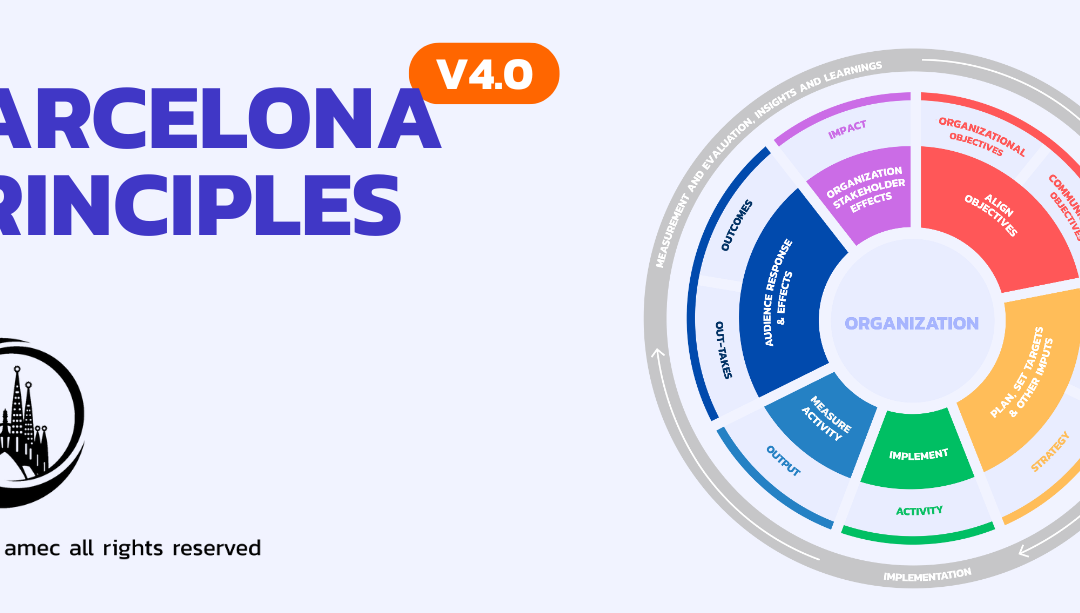
Η Διεθνής Ένωση για τη Μέτρηση και Αξιολόγηση της Επικοινωνίας (AMEC) παρουσίασε προσφάτως τα ανανεωμένα “Barcelona Principles V4.0” στο ετήσιο συνέδριο, που έλαβε χώρα στη Βιέννη. Οι “Αρχές της Βαρκελώνης” αποτελούν ένα σύνολο επτά βασικών αρχών που καθοδηγούν τους επαγγελματίες της επικοινωνίας και των δημοσίων σχέσεων στην εφαρμογή αξιόπιστων, διαφανών και αποτελεσματικών μεθόδων μέτρησης και αξιολόγησης της επικοινωνίας. Απευθύνονται σε όλους τους επαγγελματίες της επικοινωνίας που θέλουν να κατανοήσουν την επίδραση των ενεργειών τους με συστηματικό και αποτελεσματικό τρόπο.
Η εξέλιξη των “Barcelona Principles” από το 2010
Οι “Αρχές της Βαρκελώνης” ξεκίνησαν το 2010 με σκοπό να θέσουν ένα κοινό πλαίσιο για τη μέτρηση και την αξιολόγηση της επικοινωνίας και των δημοσίων σχέσεων σε παγκόσμιο επίπεδο. Η ανάγκη για αυτές τις αρχές προέκυψε από την αυξανόμενη πολυπλοκότητα του επικοινωνιακού τοπίου και τις διαφορετικές προσεγγίσεις στην αξιολόγηση των αποτελεσμάτων επικοινωνίας, που συχνά οδηγούσαν σε ασυνέπεια και αναξιοπιστία. Στόχος ήταν να προσφέρουν ένα διαφανές, αξιόπιστο και μετρήσιμο πλαίσιο, ώστε οι επαγγελματίες του κλάδου να μπορούν να αποτιμούν σωστά την αποτελεσματικότητα των ενεργειών τους.
Από τότε, τα “Barcelona Principles” ανανεώνονται κάθε πέντε χρόνια για να ανταποκρίνονται στις αλλαγές και τις εξελίξεις του επικοινωνιακού τοπίου και της τεχνολογίας. Η ομάδα εργασίας αποτελείται από έμπειρους επαγγελματίες του κλάδου από διαφορετικές χώρες και διαφορετικά εργασιακά περιβάλλοντα. Πρόκειται για στελέχη επιχειρήσεων, ακαδημαϊκούς, στελέχη μη κυβερνητικών οργανισμών ή δημόσιων φορέων που εθελοντικά αναλαμβάνουν να συνεργαστούν. Κοινός σκοπός τους να διαμορφώσουν βέλτιστες πρακτικές στη μέτρηση και αξιολόγηση των επικοινωνιακών ενεργειών, εξασφαλίζοντας ότι οι αρχές που αναπτύσσονται είναι παγκοσμίως εφαρμόσιμες, επίκαιρες και προσαρμοσμένες στις ανάγκες του κλάδου.
Κάθε αναθεώρηση περιλαμβάνει προσαρμογές και νέες προσθήκες που καλύπτουν τις σύγχρονες προκλήσεις, όπως η ραγδαία ανάπτυξη των social media, η έμφαση στην ποιοτική ανάλυση των δεδομένων και η ενσωμάτωση της τεχνητής νοημοσύνης (AI). Με αυτόν τον τρόπο, οι αρχές διατηρούνται επίκαιρες και αποτελεσματικές ως εργαλείο καθοδήγησης για τη μέτρηση και αξιολόγηση σε έναν συνεχώς μεταβαλλόμενο κόσμο επικοινωνίας.
Προσαρμογή στις νέες προκλήσεις
Η έκδοση 4.0 των “Barcelona Principles” αντανακλά τις εξελίξεις του σημερινού επικοινωνιακού τοπίου. Έχει ενσωματώσει σημαντικές αλλαγές, όπως η έμφαση στον συνδυασμό ποιοτικών και ποσοτικών μεθόδων ανάλυσης, η επιλογή ξεκάθαρων και μετρήσιμων στόχων, η βαθιά κατανόηση του κοινού-στόχου και η αξιολόγηση της επίδρασης σε όλα τα σχετικά κανάλια επικοινωνίας, offline και online. Επιπλέον, αποκλείει τη χρήση αναξιόπιστων μετρήσεων, όπως τα Advertising Value Equivalents (AVEs), ως επιφανειακή μέτρηση (vanity metric), και ενισχύει την ηθική, τη διαφάνεια και την υπεύθυνη διαχείριση στα δεδομένα και τις μεθόδους, λαμβάνοντας υπόψη και τις προκλήσεις που φέρνει η τεχνητή νοημοσύνη.
Σημαντική καινοτομία είναι η σύνδεση του σχεδιασμού και της μέτρησης, που συχνά αντιμετωπίζονται ως δυο ξεχωριστές φάσεις. Στην παρούσα έκδοση, σχεδιασμός και μέτρηση ενσωματώνονται σε μια ενιαία, συνεχή διαδικασία που αναθεωρείται και βελτιώνεται διαρκώς. Επιπλέον, η έκδοση 4.0 των “Barcelona Principles” δίνει μεγαλύτερη έμφαση στην ενεργή συμμετοχή και την κατανόηση των “ενδιαφερόμενων κοινών” (stakeholder audiences) ως πολύπλοκων οικοσυστημάτων, αντί απλώς ως τελικών καταναλωτών ή πελατών.
Η σημασία για τoν ελληνικό κλάδο επικοινωνίας
Για την ελληνική αγορά, η αξία των “Barcelona Principles V4.0” είναι σημαντική, καθώς προσφέρουν ένα παγκόσμιο πρότυπο και καθοδήγηση για τη στρατηγική μέτρηση και αξιολόγηση της επικοινωνίας. Η εφαρμογή τους βοηθά τα τμήματα επικοινωνίας και δημοσίων σχέσεων (in-house), τα agencies (διαφημιστικές και PR), τα μέσα ενημέρωσης, συμβουλευτικές εταιρείες, εταιρείες ερευνών, κτλ, να κατανοήσουν καλύτερα την αποτελεσματικότητα των προσπαθειών τους, να βελτιώσουν την αξιοπιστία τους και να ενισχύσουν την εμπιστοσύνη του κοινού.
Η Clip News, ως μέλος της AMEC από το 2023, ανέλαβε με χαρά τη μετάφραση και απόδοση του αναλυτικού οδηγού “Barcelona Principles V4.0” στην ελληνική γλώσσα. Με αυτήν την πρωτοβουλία, η Clip News ενισχύει το επίπεδο γνώσης και εφαρμογής των βέλτιστων πρακτικών στον ελληνικό επικοινωνιακό κλάδο, προσφέροντας αξιόπιστα εργαλεία και εκπαίδευση για την επίτευξη διαφανούς και αποτελεσματικής αξιολόγησης σε κάθε καμπάνια. Με αυτόν τον τρόπο, οι επαγγελματίες επικοινωνίας στην Ελλάδα αποκτούν ακόμα πιο εύκολη πρόσβαση σε διεθνή πρότυπα, ενισχύοντας τη στρατηγική τους ικανότητα και τη θέση τους σε ένα συνεχώς εξελισσόμενο και απαιτητικό περιβάλλον επικοινωνίας. Μπορείτε να κατεβάσετε το e-book με τα “Barcelona Principles V4.0” στα ελληνικά στο website της AMEC.

Barcelona Principles. Θα μπορούσε να ήταν αθλητική ομάδα. Ή μανιφέστο. Ή όνομα συγκροτήματος. Πρόκειται, ωστόσο, για μια προσέγγιση που θεσπίστηκε από την AMEC, τον Διεθνή Οργανισμό για τη Μέτρηση και την Αξιολόγηση της Επικοινωνίας. Εστιάζει στον προσδιορισμό των αποτελεσμάτων και της επίδρασης των ενεργειών που υλοποιούν οι επαγγελματίες της Επικοινωνίας και του PR κλάδου, διασφαλίζοντας την ποιοτική και ποσοτική ανάλυση αυτών. (περισσότερα…)
 Portal Login
