Ακούγοντας το κοινό
Στη σημερινή δίνη των social media, το brand perception μπορεί να αλλάξει μέσα σε λίγα λεπτά και η ικανότητα να «ακούμε» το κοινό σε πραγματικό χρόνο είναι ανεκτίμητη. Κάθε σχόλιο στα social media αποτελεί πολύτιμη πληροφορία, καθώς μπορεί να διαμορφώσει αντιλήψεις, συναισθήματα και συμπεριφορές.
Εδώ έρχεται το Social Media Monitoring, το πρώτο βήμα για να αποκτήσουμε άμεση εικόνα του πώς το κοινό αντιλαμβάνεται ένα brand. Μέσω εξειδικευμένων εργαλείων, όπως το Clip News Portal και η Brandwatch, οι PR και Marketing experts μπορούν να παρακολουθούν τι λέει ο κόσμος στα social media για τα brands και τους ανταγωνιστές, να εντοπίζουν ευκαιρίες ανάπτυξης ή να αποφεύγουν κρίσεις δημοσιότητας.
Από το Monitoring στο Listening
To Social Media Monitoring είναι η συλλογή των posts από social media channels, όπως LinkedIn, X, Facebook, Instagram, TikTok, YouTube, μέσω αναζήτησης συγκεκριμένων keywords σε ειδικές πλατφόρμες. Η διαδικασία αυτή δεν περιορίζεται μόνο στα owned posts, αλλά επεκτείνεται σε όλο το φάσμα των social media.
Η δύναμη της γνώσης, όμως, δεν χρειάζεται να σταματά στο monitoring (ή αλλιώς tracking). Το Social Listening δεν αρκείται στα data, αλλά αναλύει το πλαίσιο της συζήτησης, τα social media channels, τους top χρήστες, το sentiment, τα trending topics, κ.α. Είναι το εργαλείο που επιτρέπει στις ομάδες επικοινωνίας να κατανοήσουν:
- Πώς αντιδρά το κοινό σε μια καμπάνια
- Πώς εξελίσσεται η φήμη στον χρόνο
- Ποιοι influencers ταιριάζουν με τις αξίες του brand
- Ποια θέματα προκαλούν engagement
SoMe & Influencer Marketing Conference
Στο “Social Media & Influencer Marketing Conference 2025” που διοργάνωσε η BOUSSIAS στο OTEAcademy, η Vice President Media Intelligence της Clip News, Κατερίνα Κεχαγιά, ανέδειξε τις δυνατότητες Social Media Monitoring και Social Listening με πραγματικά case studies.
- Σε καμπάνια με πάνω από 2M Ιmpressions, η ανάλυση sentiment έδειξε ότι τα περισσότερα posts ήταν ειρωνικά.
- Στην πρόσφατη κρίση δημοσιότητας της Pizza Fan, τα posts στα social media εκτοξεύτηκαν σε 8.434 μέσα σε μόνο λίγες ώρες.
- Η πασίγνωστη καμπάνια Pepsi x Kendall Jenner θεωρήθηκε επιφανειακή από το κοινό παρά τους εκατομμύρια followers της influencer και η εταιρεία αναγκάστηκε να την αποσύρει.
Οι αριθμοί, προκειμένου να αποκτήσουν ουσιαστικό νόημα, χρειάζεται να συνδυαστούν με ποιοτική αξιολόγηση και να μετατραπούν σε insights που προέρχονται από τη γνώμη του κοινού. Γιατί όπως χαρακτηριστικά ανέφερε η κ. Κεχαγιά, «Το brand σου δεν είναι αυτό που λες εσύ ότι είναι. Είναι αυτό που συζητούν οι άλλοι, όταν δεν είσαι στο δωμάτιο».
Γιατί έχει σημασία σήμερα
Σε ένα διαρκώς μεταβαλλόμενο περιβάλλον επικοινωνίας, το Social Media Monitoring και το Social Listening προσφέρουν:
- Real–time alerting για άμεση διαχείριση κρίσεων
- Benchmarking έναντι ανταγωνιστών
- Ανάλυση sentiment και κατανόηση κοινού
- Data–driven insights για σχεδιασμό στρατηγικής
Το μέλλον της επικοινωνίας ανήκει στα brands που «ακούν» πραγματικά το κοινό, αξιοποιώντας λύσεις real–time monitoring και αναλύοντας τις συζητήσεις στα social media. Η μετατροπή τους σε actionable insights έχει ως αποτέλεσμα ουσιαστικότερη σύνδεση με το κοινό και πιο στοχευμένες καμπάνιες.
Το άρθρο δημοσιεύτηκε στο Daily Fax στις 21/10/2025.

Η πρόσφατη απόφαση της Pizza Fan να διακόψει τη συνεργασία της με τον stand-up comedian, Πάρι Ρούπο, εξελίχθηκε σε μια από τις πιο έντονες επικοινωνιακές κρίσεις που έχουν καταγραφεί πρόσφατα στην ελληνική αγορά. Η υπόθεση ξεκίνησε ως αντίδραση σε ένα αστείο του κωμικού, όμως πολύ γρήγορα πήρε διαστάσεις κοινωνικού και πολιτικού φαινομένου, προκαλώντας καταιγισμό σχολίων στα social media και στα ενημερωτικά websites. Το περιστατικό αυτό αποτελεί σημείο αναφοράς για το πώς ένα brand μπορεί μέσα σε λίγες ώρες να βρεθεί στο επίκεντρο ενός PR crisis που δοκιμάζει όρια, φήμη και στρατηγική επικοινωνίας.
Οι συνολικές αναφορές σε social media και websites έφτασαν τις 11.700 την τελευταία εβδομάδα, με 8.400 αναφορές να εμφανίζονται μόνο σε μια μέρα (25 Σεπτεμβρίου)! Είναι πραγματικά πολύ δύσκολο για μια ομάδα επικοινωνίας και marketing να διαχειριστεί έναν τέτοιο όγκο δημοσιότητας, χωρίς προηγουμένως να έχει σετάρει λογαριασμό media monitoring με τα κατάλληλα keywords και alerts.
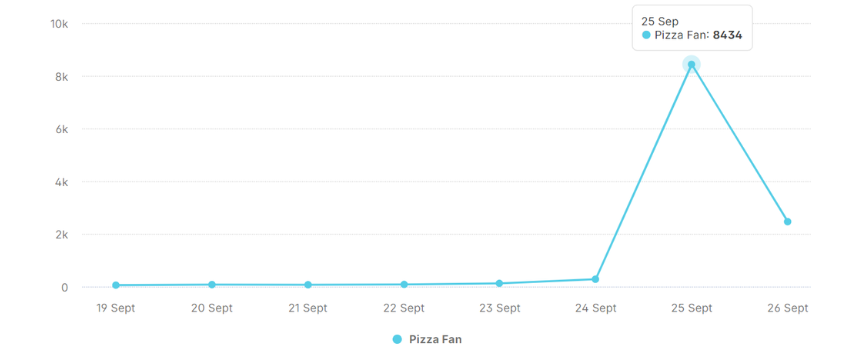
Να σημειωθεί ότι αυτές οι 8.400 αναφορές στην Pizza Fan δεν αφορούν σχόλια κάτω από τα posts της εταιρείας (owned media), αλλά οπουδήποτε αλλού αναφέρθηκε το brand σε social media, forums, websites, blogs. Προκειμένου ένα brand να έχει συνολική εικόνα της δημοσιότητάς του και της διάστασης που έχει λάβει μια επικοινωνιακή κρίση, δεν αρκεί να παρακολουθεί λοιπόν μόνο τα σχόλια κάτω από τα owned media, αλλά όλο το φάσμα που επιτρέπουν πλατφόρμες, όπως η Brandwatch.
Τα σχόλια του Ρούπου κατά τη διάρκεια μιας stand-up παράστασης, τα οποία περιλάμβαναν αναφορές στην ελληνική σημαία και ιστορικά γεγονότα, θεωρήθηκαν προσβλητικά, οδηγώντας σε αντιδράσεις κατά της αλυσίδας πίτσας. Οι ανακοινώσεις της εταιρείας στο Facebook συγκέντρωσαν χιλιάδες σχόλια χρηστών, πολλά από τα οποία είχαν αρνητικό πρόσημο. Δεν έλειπαν, ωστόσο, θετικά υποστηρικτικά και ουδέτερα χιουμοριστικά σχόλια.
Το X (πρώην Twitter) τροφοδότησε τη συζήτηση με πλήθος μεμονωμένων σχολίων, αλλά και εκατοντάδων reposts. Σημαντικά websites (βάσει Impact) ενίσχυσαν το γεγονός με σχετικά δημοσιεύματα: protothema.gr, gazzetta.gr, news247.gr, iefimerida.gr, lifo.gr, newsit.gr. Οι γνωστοί ιστότοποι έκαναν σχετικές αναρτήσεις και στα owned κανάλια τους σε Facebook και X (Twitter). Το θέμα σχολιάστηκε και στο Reddit σε συζήτηση με τίτλο «Η Pizza Fan απέλυσε τον Πάρι Ρούπο: Τι “παίχτηκε” με τον γνωστό κωμικό».
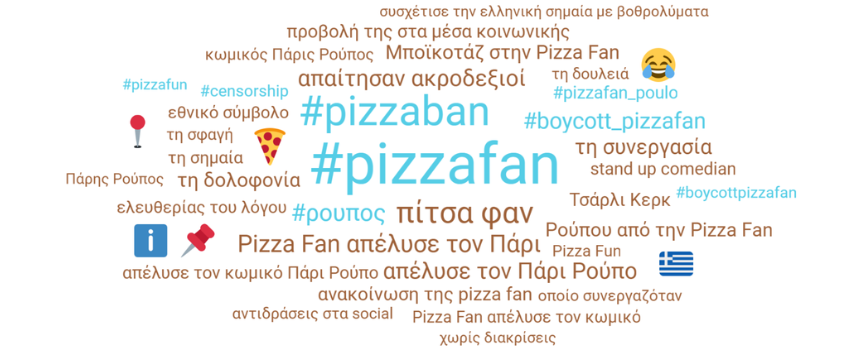
Μετά την απόλυση του Ρούπου, τα μέσα κοινωνικής δικτύωσης έχουν μετατραπεί σε πεδίο μάχης για αντικρουόμενες απόψεις, με κάποιους να επαινούν την Pizza Fan για τη στάση της, ενώ άλλους να την καταδικάζουν. Πολλοί υποστηρικτές του Ρούπου ζητούν μποϊκοτάζ της Pizza Fan, χρησιμοποιώντας hashtags όπως #Pizzaban και #boycottpizzafan. Υποστηρίζουν ότι η απόφαση της εταιρείας αντικατοπτρίζει υποχώρηση σε ακραίες πιέσεις και τονίζουν τη σημασία της προστασίας του δικαιώματος των κωμικών να σατιρίζουν και να ασκούν κριτική χωρίς φόβο.
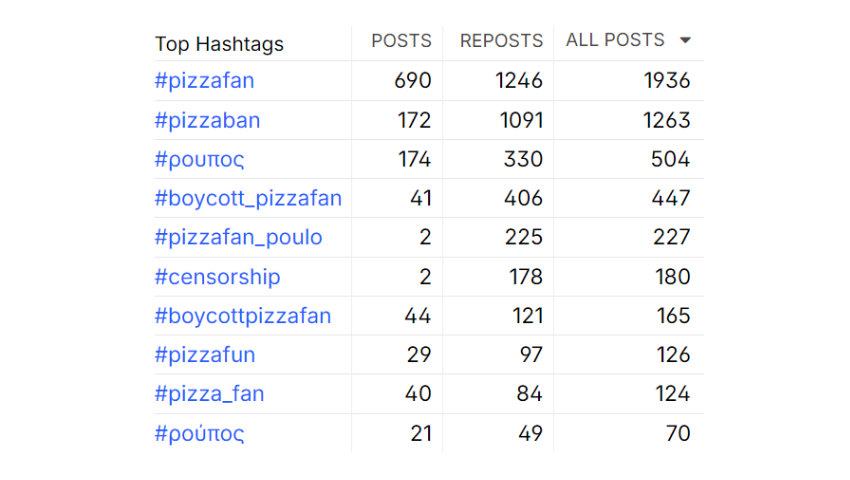
Καθώς οι αντιδράσεις συνεχίζονται, ο Ρούπος έχει δηλώσει ότι σκοπεύει να προχωρήσει σε νομικές ενέργειες εναντίον εκείνων που θεωρεί ότι υποκίνησαν μίσος εναντίον του, συμπεριλαμβανομένων προβεβλημένων πολιτικών προσώπων, όπως ο Κωνσταντίνος Μπογδάνος. Μέσω βίντεό του στο YouTube, ζήτησε την αποπομπή του κωμικού, χαρακτηρίζοντας τα αστεία του «προσβολή εθνικών συμβόλων».
Πέρα από τις καλλιτεχνικές και πολιτικές προεκτάσεις, η υπόθεση αυτή λειτούργησε ως ηχηρή υπενθύμιση για το πώς μια εταιρεία πρέπει να σχεδιάζει στρατηγικά τις συνεργασίες της. Η επιλογή του κατάλληλου influencer από ένα brand είναι απαραίτητο να γίνεται μετά από εις βάθος ανάλυση μέσω εργαλείων social listening / digital listening, όπως η Brandwatch. Το content που παράγει και τα audiences στα οποία απευθύνεται πρέπει να αξιολογούνται προσεκτικά πριν από οποιαδήποτε συνεργασία, καθώς το κοινό τείνει να συνδέει (άμεσα ή έμμεσα) τον δημιουργό με το brand. Σε ένα περιβάλλον όπου η παραμικρή σπίθα μπορεί να εξελιχθεί σε ένα PR crisis, η έγκαιρη ανίχνευση ρίσκων και η στρατηγική προετοιμασία καθίστανται κρίσιμοι παράγοντες για την προστασία της εταιρικής φήμης.
Ταυτότητα ανάλυσης
Social Listening / Digital Listening: Brandwatch
Date Range: 19-26.09.25
Sources: Internet & Social Media*
Keywording/Analysis: Clip News
*Η ανάλυση βασίζεται μόνο σε διαθέσιμα δημόσια δεδομένα από το internet και από κανάλια social media στην Ελλάδα. Η αναζήτηση περιορίστηκε στα keywords «Pizza Fan» και «Πάρις Ρούπος» σε διάφορες πιθανές παραλλαγές (αγγλικά, ελληνικά, greeklish, με ή χωρίς τόνους, κτλ).
Περιορισμοί Αναζήτησης: Η πλατφόρμα Brandwatch συλλέγει δεδομένα από websites, blogs, forums, social media (X, Facebook, Instagram, Reddit, Tumblr, κ.α.) με τους περιορισμούς που ορίζει κάθε μέσο. Για παράδειγμα, οι συζητήσεις σε κλειστά forums και Facebook private groups ή τα Instagram Stories δεν συλλέγονται. Η παραπάνω ανάλυση αποτελεί μια ενδεικτική προσέγγιση, λαμβάνοντας υπόψη ότι διαφοροποίηση σε πηγές και χρονικό διάστημα μπορεί να φέρει μια διαφορετική εικόνα.

Ο Θεόφιλος Αργυριάδης, CEO της Clip News, μίλησε στο adbusiness για τις καινοτόμες υπηρεσίες της εταιρείας, όπως το LinkedIn Monitoring, για τη χρήση Augmented Intelligence στο Publicity Reporting και για την κάλυψη PR κρίσεων με εξειδικευμένα εργαλεία αποδελτίωσης.
adb: Κύριε Αργυριάδη, η Clip News έχει μια διαδρομή 33 ετών. Πού βρίσκεται σήμερα και ποιες είναι οι σημαντικότερες κατακτήσεις σας;
Θ. Αργυριάδης: Η Clip News είναι η παλαιότερη εταιρεία Media Monitoring & Analysis στην Ελλάδα, με γραφεία σε Αθήνα, Θεσσαλονίκη και Κύπρο. Αποτελούμε τον πιο αξιόπιστο συνεργάτη μεγάλων εταιρειών σε Ελλάδα και εξωτερικό που επιδιώκουν να κατανοήσουν τη δημοσιότητα τους. Παράλληλα, οι συνεργασίες μας με οργανισμούς, όπως η FIBEP και η AMEC, καθώς και με ηγέτες σε Media Monitoring Platforms, όπως η Brandwatch, ενισχύουν το δικό μας όραμα. Η διάκρισή μας από την AMEC ως “Organization of the Year 2024” στην κατηγορία μας αποτελεί απόδειξη της δέσμευσής μας στην καινοτομία και την ποιότητα.
adb: Η αναγνώριση αυτή φέρνει την Clip News στο διεθνές προσκήνιο. Τι σημαίνει για τους πελάτες σας;
Θ. Αργυριάδης: Τον Νοέμβριο 2024 διακριθήκαμε από την AMEC, τη Διεθνή Ένωση για τη Μέτρηση και Αξιολόγηση της Επικοινωνίας. Ως η πρώτη ελληνική εταιρεία που αναγνωρίζεται από τον διεθνή οργανισμό, είμαστε ιδιαίτερα περήφανοι για αυτό το επίτευγμα, καθώς αξιολογηθήκαμε με αυστηρά κριτήρια σε 5 τομείς: 1) Technology & Investment, 2) Data, Engagement & Insights, 3) Thought Leadership, 4) Turnover Growth & Footprint, 5) Achievements in Development. Αυτό ουσιαστικά μεταφράζεται σε πρόσβαση των πελατών μας σε εξελιγμένα εργαλεία media intelligence και εξατομικευμένες υπηρεσίες publicity reporting υψηλού επιπέδου, με βάση τα διεθνή πρότυπα.
adb: Ποιος είναι ο ρόλος των συνεργασιών στην ανάπτυξή σας;
Θ. Αργυριάδης: Η συνεργασία από το 2002 με τη FIBEP, τη Διεθνή Ένωση Γραφείων Αποκομμάτων Τύπου, μας έδωσε τη δυνατότητα να προσφέρουμε υπηρεσίες monitoring διεθνώς και να αυξήσουμε το πελατολόγιο μας στο εξωτερικό με Ευρωπαϊκούς οργανισμούς και πολυεθνικές εταιρείες, ενώ η ένταξή μας στην AMEC το 2023 επέτρεψε να υιοθετήσουμε τα υψηλότερα πρότυπα μέτρησης και αξιολόγησης της επικοινωνίας. Επιπλέον, η συνεργασία με τη Brandwatch, παγκόσμιο ηγέτη στο Digital Listening, επιτρέπει να παρέχουμε real-time insights από το Internet και τα Social Media, προσφέροντας εργαλεία ανταγωνιστικότητας και στρατηγικού σχεδιασμού στα PR agencies και στα στελέχη επικοινωνίας και PR γενικότερα.

adb: Η επιτυχία μιας εταιρείας βασίζεται συχνά στους ανθρώπους της. Ποια είναι η δική σας προσέγγιση;
Θ. Αργυριάδης: Οι άνθρωποι μας είναι ο πυρήνας της Clip News. Επενδύουμε στην ανάπτυξή τους, προσφέροντας ένα ευρύ φάσμα benefits: από ευκαιρίες δια βίου εκπαίδευσης μέχρι ψυχολογική υποστήριξη και κάλυψη εξόδων για μεταπτυχιακά προγράμματα. Εστιάζουμε στη δημιουργία κουλτούρας που προάγει την καινοτομία και την αριστεία. Η επένδυση στους ανθρώπους μας συντελεί στη δική τους αυτοπραγμάτωση.
adb: Μιλήστε μας για τις υπηρεσίες που προσφέρετε και τις καινοτομίες σας.
Θ. Αργυριάδης: Η Clip News παρέχει υπηρεσίες 360° Media Monitoring & Analysis, από αποδελτίωση μέχρι εξειδικευμένη ανάλυση δεδομένων δημοσιότητας. Καλύπτουμε το σύνολο των Social Media, με τελευταία προσθήκη το TikTok, ενώ αναβαθμίσαμε τις υπηρεσίες Reporting & Analysis, συνδυάζοντας τεχνολογία AI με το expertise των αναλυτών μας. Υιοθετούμε μάλιστα το Augmented Intelligence, που συμπληρώνει την ανθρώπινη νοημοσύνη με AI για να την αυξήσει αντί να την αντικαταστήσει. Αυτή η προσέγγιση επιτρέπει να προσφέρουμε προσιτές λύσεις, καθώς οι μηχανές εκτελούν επαναλαμβανόμενες διαδικασίες, ενώ οι media analysts εστιάζουν σε εργασίες που απαιτούν στρατηγική σκέψη και εξειδικευμένη ανάλυση. Η διαδρομή από τα data στα actionable insights μέσω analytics είναι βιωματική εμπειρία για εμάς και προστιθέμενη αξία για τα brands που μας εμπιστεύονται.
adb: Πώς προσαρμόζεστε στις εξελισσόμενες ανάγκες της αγοράς;
Θ. Αργυριάδης: Τον Ιανουάριο 2025 λανσάρουμε επίσημα την υπηρεσία LinkedIn Monitoring & Analysis. Οι επιχειρήσεις χρησιμοποιούν την πλατφόρμα όχι μόνο για branding, αλλά και για δημιουργία σχέσεων και ενέργειες marketing, καθώς οι χρήστες στην Ελλάδα ξεπερνούν πλέον τους 700.000, ενώ υπάρχουν πάνω από 50.000 εταιρικοί λογαριασμοί. Η υπηρεσία μας παρέχει insights για τα posts, τους influencers και τις συζητήσεις που σχετίζονται με το εκάστοτε brand και τον ανταγωνισμό. Πρόκειται για εργαλείο εμβάθυνσης του data democratization, ώστε εταιρείες και οργανισμοί να δώσουν στα στελέχη τους το απαραίτητο βάθος ανάλυσης για να εντοπίζουν ευκαιρίες και να σχεδιάζουν στοχευμένες καμπάνιες.
adb: Η εμφάνιση ενός PR crisis είναι μια διαρκής ανησυχία για πολλές εταιρείες. Πώς η Clip News βοηθά στη διαχείρισή τους;
Θ. Αργυριάδης: Έχουμε αναπτύξει εξειδικευμένες υπηρεσίες για την κάλυψη κρίσεων, συνδυάζοντας τεχνολογία αιχμής και ανθρώπινη εξειδίκευση. Το Crisis Summary Report παρέχει 24/7 ενημέρωση με περιλήψεις που αναδεικνύουν τα σημαντικά σημεία μιας κρίσης δημοσιότητας, συνοδευόμενες από αναφορές πηγών και σχολίων του κοινού. Το Crisis Analysis Report εμβαθύνει ποσοτικά και ποιοτικά, δίνοντας μεταξύ άλλων όγκο αναφορών (Buzz), πορεία της κρίσης (Evolution), συναίσθημα (Sentiment Analysis). Με αυτές τις λύσεις, οι επαγγελματίες επικοινωνίας και PR έχουν άμεσα πλήρη εικόνα, ώστε να αντιδράσουν γρήγορα και αποτελεσματικά.
adb: Ποιο είναι το όραμά σας για το μέλλον της Clip News;
Θ. Αργυριάδης: Να παραμείνουμε στην αιχμή της τεχνολογίας και να υπερβαίνουμε προσδοκίες. Η Clip News θα εξακολουθήσει να επενδύει στα AI tools για να προσφέρει ευέλικτες υπηρεσίες media monitoring που ενισχύουν την ανταγωνιστικότητα και προσδίδουν αξία. Με τον τρόπο αυτό θα παραμείνουμε στρατηγικός συνεργάτης των brands, ώστε να μετατρέπουν τα data της δημοσιότητας σε επιχειρηματική επιτυχία.
Η συνέντευξη δημοσιεύτηκε στο adbusiness στις 16 Δεκεμβρίου 2024.


Η Αντιπρόεδρος της Clip News, Κατερίνα Κεχαγιά, βρέθηκε για δεύτερη φορά καλεσμένη του δημοσιογράφου Τάκη Σπηλιόπουλου στην εκπομπή “Review” που προβάλλεται στη Naftemporiki TV. Αυτή τη φορά, αφορμή στάθηκε η πρόσφατη δημοσίευση Video της Clip News σχετικά με τη διαχείριση ενός Publicity Crisis.
Η κ. Κεχαγιά ανέδειξε τους τρόπους με τους οποίους οι σύγχρονες λύσεις media monitoring & analysis μπορούν να συμβάλουν καταλυτικά στο δύσκολο έργο που έχουν να φέρουν εις πέρας οι επαγγελματίες επικοινωνίας και PR, όταν καλούνται να διαχειριστούν μια κρίση αρνητικής δημοσιότητας για το brand που εκπροσωπούν.
Έγκαιρη ανίχνευση κρίσης μέσω 24/7 media monitoring
Η έγκαιρη ανίχνευση ενός Publicity Crisis αποτελεί το θεμέλιο για τη σωστή διαχείρισή της. Με τη χρήση 24/7 media monitoring, μπορείτε να εντοπίζετε άμεσα αρνητικές αναφορές ή ανησυχητικά μοτίβα στα Social Media, αλλά και σε άλλες πηγές, όπως το Internet, τα Έντυπα, και τα Ραδιοτηλεοπτικά Μέσα (RTV). Ένα σύγχρονο σύστημα παρακολούθησης προσφέρει τη δυνατότητα να αντιδράτε γρήγορα, πριν η κρίση κλιμακωθεί και επηρεάσει ανεπανόρθωτα τη φήμη του brand σας.
Αξιολόγηση δεδομένων δημοσιότητας με ποσοτικά και ποιοτικά metrics
Η απλή παρακολούθηση δεν είναι αρκετή – χρειάζεται ουσιαστική αξιολόγηση των δεδομένων που προκύπτουν. Μέσω μιας συνδυαστικής ανάλυσης ποσοτικών και ποιοτικών metrics, μπορείτε να κατανοήσετε το βάθος και την έκταση της κρίσης. Αυτή η διαδικασία σας επιτρέπει να προσαρμόσετε το μήνυμά σας, ώστε να απευθύνεται με ακρίβεια στις ανάγκες και τις ανησυχίες του κοινού σας.
Στα ποσοτικά metrics εντάσσονται μεταξύ άλλων τα παρακάτω:
- Buzz: ο συνολικός αριθμός των δημοσιευμάτων ή σχολίων για το θέμα
- Evolution: ο αριθμός των δημοσιευμάτων ή σχολίων ανά ώρα ή ανά ημέρα
Στα ποιοτικά metrics ξεχωρίζουν τα παρακάτω:
- Sentiment: η αξιολόγηση των δημοσιευμάτων ή σχολίων σε θετικό, ουδέτερο, αρνητικό
- Top authors: τα πιο σημαντικά Μέσα ή οι πιο σημαντικοί χρήστες στα social media, βάσει Reach ή Impact
In-depth analysis publicity report μετά την κρίση
Το Publicity Crisis μπορεί να τελειώσει, αλλά η δουλειά δεν σταματά εκεί. Ένα in-depth analysis publicity report μετά την κρίση είναι απαραίτητο για την αποτίμηση του τι πήγε καλά, τι θα μπορούσε να βελτιωθεί και πώς μπορούν να προληφθούν παρόμοιες καταστάσεις στο μέλλον. Μέσα από τη συνολική ανάλυση, αποκτάτε πολύτιμα insights που ενισχύουν τη στρατηγική αντιμετώπισης κρίσεων και βελτιώνουν την επικοινωνία σας σε όλα τα επίπεδα.
Δείτε ολόκληρη την συνέντευξη στο YouTube.

Τι συμβαίνει όταν ένα brand ξαφνικά αντιμετωπίζει ένα PR crisis που απειλεί τη φήμη του; Κάτι τέτοιο μπορεί να εξελιχθεί σε εφιάλτη για τις δημόσιες σχέσεις – εκτός αν το διαχειριστείτε άμεσα και σωστά.
Ας δούμε ένα παράδειγμα: Μια πασίγνωστη εταιρεία από τον κλάδο των τροφίμων-ποτών αναγκάζεται να ανακαλέσει παρτίδες των προϊόντων της λόγω ανησυχιών για μόλυνση. Σχεδόν αμέσως, το περιστατικό προκαλεί κύμα αρνητικής δημοσιότητας στα websites και αντιδράσεις στα social media με ολοφάνερη την αγανάκτηση των καταναλωτών.
Για τις εταιρείες στον τομέα των FMCG, όπου η εμπιστοσύνη των καταναλωτών είναι υψίστης σημασίας, μια τέτοια κρίση αρνητικής δημοσιότητας μπορεί να είναι καταστροφική. Ωστόσο, με τα σωστά εργαλεία, μια κρίση μπορεί να γίνει ευκαιρία για την αναδόμηση της εμπιστοσύνης. Εδώ είναι που το media monitoring και το digital listening κάνουν τη διαφορά.
Επισκόπηση Κρίσης
Στη βιομηχανία FMCG, ειδικά για εταιρείες που διαχειρίζονται καταναλωτικά προϊόντα όπως τα τρόφιμα και τα ποτά, η ασφάλεια των προϊόντων αποτελεί κορυφαία προτεραιότητα. Ένα πρόβλημα μόλυνσης μπορεί να κλιμακωθεί γρήγορα, καθώς οι καταναλωτές μοιράζονται τις ανησυχίες τους στα social media (όπως Facebook, Twitter, Forum), αλλά και τα ΜΜΕ αναπαράγουν την είδηση σε έντυπα, ραδιοτηλεοπτικά και κυρίως online μέσα (ειδησεογραφικά websites). Στη συγκεκριμένη περίπτωση, η ανάκληση προϊόντων γρήγορα έγινε αντικείμενο συζητήσεων, με τους καταναλωτές να αμφισβητούν τη δέσμευση της μάρκας για ασφάλεια και διαφάνεια.
Η αρχική απάντηση της εταιρείας απέτυχε να αντιμετωπίσει τις κύριες ανησυχίες του κοινού. Ως αποτέλεσμα, το αρνητικό sentiment συνέχισε να αυξάνεται, με τους χρήστες των social media να μοιράζονται την απογοήτευση και την οργή τους. Ακόμα και οι ανταγωνιστές εκμεταλλεύτηκαν την ευκαιρία, τονίζοντας τις δικές τους πρακτικές ασφάλειας, υποσκάπτοντας περαιτέρω τη θέση του εν λόγω brand στην αγορά.
Ο Ρόλος του Digital Listening
Αυτό είναι το σημείο όπου το media monitoring -και πιο συγκεκριμένα το digital listening– θα μπορούσε να είχε αλλάξει σημαντικά τη στρατηγική απάντησης του brand. Παρακολουθώντας το sentiment σε πραγματικό χρόνο, το brand θα μπορούσε να είχε εντοπίσει την αρνητική χροιά των συζητήσεων στα social media και στα online άρθρα από τη στιγμή που ξέσπασε η ιστορία της ανάκλησης. Η κατανόηση της ταχύτητας και της κλίμακας της αντίδρασης θα είχε επιτρέψει μια πιο γρήγορη και προσαρμοσμένη απάντηση, με στόχο την αντιμετώπιση των ανησυχιών τόσο των καταναλωτών όσο και των μέσων ενημέρωσης.
Τα εργαλεία digital listening μπορούν να εμβαθύνουν περισσότερο από το media monitoring, αποκαλύπτοντας διαφορετικές ανησυχίες του κοινού. Για παράδειγμα, οι καταναλωτές ανησυχούν περισσότερο για τους κινδύνους υγείας ή για την έλλειψη διαφάνειας της εταιρείας; Αναλύοντας τις συνομιλίες, το brand μπορεί να διαμορφώσει στοχευμένα μηνύματα που απευθύνονται άμεσα σε αυτές τις ανησυχίες, όπως μια σαφή εξήγηση της διαδικασίας ανάκλησης ή των βημάτων που λαμβάνονται για να διασφαλιστεί η ασφάλεια των προϊόντων στο μέλλον.
Επιπλέον, το digital listening επιτρέπει στα brands να εντοπίζουν βασικούς influencers -δημοσιογράφους, bloggers και προσωπικότητες στα social media- που διαμορφώνουν τη συζήτηση. Η άμεση αλληλεπίδραση με αυτές τις online φωνές μπορεί να βοηθήσει στον καθορισμό του αφηγήματος, μετατρέποντας την κατάσταση προς όφελος της εταιρείας.
Επίπτωση του PR crisis στο Brand
Μια ανάκληση προϊόντων στη βιομηχανία FMCG δεν αποτελεί μόνο μια πρόκληση σε επίπεδο logistics. Είναι και ένας κίνδυνος για τη φήμη του brand που έχτιζε αργά και σταθερά εδώ και χρόνια. Η κακή διαχείριση μιας ανάκλησης μπορεί να οδηγήσει σε απώλεια της εμπιστοσύνης των καταναλωτών, η οποία ενδεχομένως να χρειαστεί μήνες ή και χρόνια για να αποκατασταθεί.
Στην προκειμένη περίπτωση, η αργή και αόριστη αρχική απάντηση της εταιρείας βάθυνε την κρίση, οδηγώντας σε αύξηση των αρνητικών σχολίων στα κοινωνικά μέσα και σε πτώση των πωλήσεων. Αυτό δείχνει πώς μια μη αποτελεσματική διαχείριση ανάκλησης προϊόντων μπορεί να μετατραπεί από ένα online PR crisis σε ένα ευρύτερο επιχειρηματικό πρόβλημα.

Ταχεία Ανταπόκριση και Ανάλυση
Σε αντίστοιχο περιστατικό ανάκλησης προϊόντων, η Clip News ενεργοποίησε αμέσως τις δοκιμασμένες και αποτελεσματικές διαδικασίες που έχει αναπτύξει για περιπτώσεις PR crisis, προκειμένου να διαχειριστεί την απότομη αύξηση των media data (πάνω από 3.500 αναφορές τη μέρα για το brand σε internet και social media).
Δημιουργήθηκαν άμεσα επιπλέον βάρδιες, διασφαλίζοντας ότι η ομάδα των αναλυτών μας ήταν διαθέσιμη 24/7 για να παρακολουθεί την εξέλιξη της κατάστασης και να αποστέλλει τακτικά updated crisis reports στον συνδρομητή.
Το τμήμα Keywording ρύθμισε σε ελάχιστο χρόνο την παρακολούθηση λέξεων-κλειδιών στην πλατφόρμα μας, προσθέτοντας τους πιο κρίσιμους όρους, φράσεις και hashtags που σχετίζονταν με το περιστατικό. Αυτό μας επέτρεψε να έχουμε πλήρη κάλυψη του θέματος χωρίς να χαθούν δημοσιεύματα ή σχόλια.
Αν και αρχικά το crisis ξέσπασε στα social media, το προφίλ αναζήτησης «χτίστηκε» αυτομάτως στο σύνολο των Μέσων που παρακολουθεί η Clip News (internet, social media, έντυπα, ραδιόφωνο και τηλεόραση). Με αυτόν τον τρόπο εντοπίσαμε άμεσα πότε και πώς επεκτάθηκε η συγκεκριμένη είδηση σε όλα τα κανάλια επικοινωνίας.
Επιπλέον, πραγματοποιήσαμε εκτενές tagging (διαχωρισμός του θέματος σε υποκατηγορίες), καθώς και sentiment analysis (ουδέτερο, αρνητικό, θετικό) για να παρέχουμε στο brand μια σαφή και πλήρη εικόνα του τι λένε οι καταναλωτές, τις ανησυχίες τους και τις αναδυόμενες τάσεις στη συζήτηση.
Η ανάλυση sentiment κατηγοριοποιεί τις αναφορές της δημοσιότητάς σας ως θετικές, αρνητικές ή ουδέτερες, προσφέροντας μια λεπτομερή εικόνα της γνώμης του κοινού. Αυτή η προσέγγιση επιτρέπει στο brand να εντοπίζει γρήγορα σημεία ανησυχίας, να προσαρμόζει το μήνυμα και να αλληλεπιδρά πιο αποτελεσματικά με τους καταναλωτές.
Ο συνδυασμός τεχνολογίας AI για ταχύτητα στην επεξεργασία των media data και της ανθρώπινης εμπειρίας των αναλυτών μας για ακρίβεια διασφαλίζει ότι λαμβάνετε αξιόπιστα δεδομένα όσο το δυνατόν πιο άμεσα. Κάτι τέτοιο αποτελεί κλειδί προκειμένου να ανταποκριθείτε έγκαιρα σε ένα περιστατικό αρνητικής δημοσιότητας, να ανιχνεύσετε αρκετά νωρίς τις αντιδράσεις των καταναλωτών και να προσαρμόσετε αναλόγως το PR crisis management πλάνο σας.
Key Takeaways
- Η Ταχύτητα και η Διαφάνεια Είναι Κρίσιμες: Η ειλικρίνεια για τα λάθη και η παρουσίαση ενός σαφούς σχεδίου αντιμετώπισης του προβλήματος είναι ζωτικής σημασίας στην αντιμετώπιση μιας κρίσης. Μια αποτελεσματική απάντηση είναι απαραίτητο να στοχεύει στις ανησυχίες που εκφράζονται από το κοινό. Συνεπώς είναι κρίσιμο να εντοπιστούν, αλλά και να αναλυθούν οι συζητήσεις γύρω από το θέμα, προκειμένου να ανακτηθεί μέρος της εμπιστοσύνης των καταναλωτών πιο γρήγορα.
- Χρήση Digital Listening Tools για Καλύτερα Αποτελέσματα: Τα εργαλεία παρακολούθησης digital listening μπορούν να καθοδηγήσουν ένα brand στη διαμόρφωση μιας πιο στοχευμένης απάντησης. Στην πρώτη περίπτωση που περιγράψαμε, αν η εταιρεία είχε παρακολουθήσει στενά το sentiment στα social media, θα μπορούσε να είχε εντοπίσει ότι οι καταναλωτές ήταν αναστατωμένοι περισσότερο για την έλλειψη διαφάνειας παρά για την ίδια τη μόλυνση μιας συγκεκριμένης παρτίδας προϊόντος.
- Ανθεκτικότητα μέσω Συνεχούς Media Monitoring: Πέρα από περιστατικά κρίσης, η συνεχής παρακολούθηση της δημοσιότητας ενός brand βοηθά τις εταιρείες να εντοπίζουν πιθανά προβλήματα προτού κλιμακωθούν. Με τη συνεχή παρακολούθηση του τρόπου με τον οποίο οι καταναλωτές αντιλαμβάνονται τα προϊόντα και τα μηνύματα των εταιρειών, οι brand managers μπορούν να είναι καλύτερα προετοιμασμένοι για μελλοντικές προκλήσεις.
Μετατροπή Πρόκλησης σε Ευκαιρία
Λόγω της συνεχόμενης ροής πληροφοριών στο internet και ειδικά στα social media, η φήμη ενός brand μπορεί πλέον να επηρεαστεί από τη μια μέρα στην άλλη. Αλλά με συνεχόμενο media monitoring και αξιοποίηση του digital listening, ακόμα και οι πιο δύσκολες κρίσεις μπορούν να γίνουν διαχειρίσιμες.
Ακόμα πιο σημαντική ίσως είναι η δυνατότητα να μετατρέψετε ένα PR crisis σε ευκαιρία. Κάνοντας μια αποτίμηση του τι λειτούργησε αποτελεσματικά και τι όχι, σας δίνεται η δυνατότητα να βελτιώσετε τη στρατηγική σας για την αντιμετώπιση τέτοιων περιστατικών, ώστε την επόμενη φορά να είστε προετοιμασμένοι και να δράσετε πιο αποτελεσματικά.
Για τις μάρκες FMCG, όπου η ασφάλεια των προϊόντων είναι κρίσιμη, τα εργαλεία media monitoring και digital listening δεν είναι απλά μια επιλογή – είναι αναγκαιότητα. Το βασικό ερώτημα για κάθε brand είναι: Ακούτε τι λένε οι πελάτες σας πριν να είναι πολύ αργά;
Τα PR Crisis Reports της Clip News είναι απόλυτα προσαρμοσμένα στις ανάγκες σας, προσφέροντάς σας τη δυνατότητα να ενημερώνεστε άμεσα σε κάθε κρίση αρνητικής δημοσιότητας. Διαβάστε περισσότερα σχετικά με τις υπηρεσίες μας Media Monitoring & Analysis για PR Crisis.
 Portal Login