
The rapid rise of Artificial Intelligence (AI) in public discourse has turned tools like ChatGPT, Grok, and DeepSeek into key players in the digital conversation. Leveraging Brandwatch digital listening platform, Clip News analyzed 144,499 online mentions in Greece between January 1 and July 10, 2025, uncovering trends, concerns, and opportunities related to AI. The dataset consists of public mentions from websites, blogs, forums, and social media, focused on the following keywords: Grok, ChatGPT, DeepSeek, Gemini, Perplexity, Claude, Llama, Mistral, Cohere, and Ernie Bot. 
Key takeaways
A qualitative analysis of the data reveals five major trends that dominated the AI conversation in the first half of 2025, spanning politics, safety, personal life, and entertainment, showcasing AI’s wide societal, political, and cultural impact:
- AI in Political and Social Commentary
AI tools like ChatGPT were widely used to explore sensitive issues such as the Tempi train tragedy and minimum wage debates, highlighting both AI’s influence on public opinion and concerns about algorithmic bias.
- Environmental and Geopolitical Concerns
The emergence of DeepSeek triggered discussions about energy consumption, data privacy, and a potential new Cold War between the U.S. and China over technological dominance.
- AI and Personal Relationships
Cases such as divorces initiated due to AI findings revealed the growing role of AI in interpersonal matters, raising ethical and legal questions about its use in private life.
- Security and Document Forgery
The use of AI to generate fake passports underscored vulnerabilities in automated ID systems and fueled demands for tighter regulation.
Users’ trust in AI predictions for sports outcomes marked a shift in fan engagement and betting behaviors, positioning AI as a new player in sports commentary.
Buzz Growth
Mentions of AI tools surged 386% compared to the previous six months (up from 29,758 to 144,499). 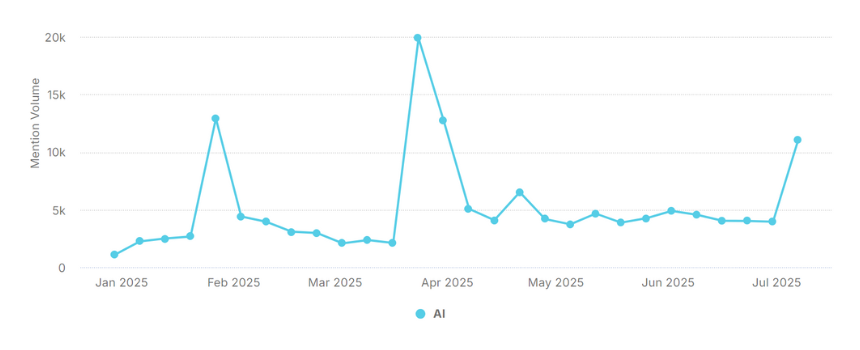 Two notable peaks occurred:
- January 27 – The launch of DeepSeek sparked significant volatility in global financial markets.
- March 24 – Users engaged AI tools like ChatGPT and Grok to discuss politically charged topics.
Share of Voice
The Share of Voice analysis reveals which AI platforms dominated the public dialogue in the first half of 2025. 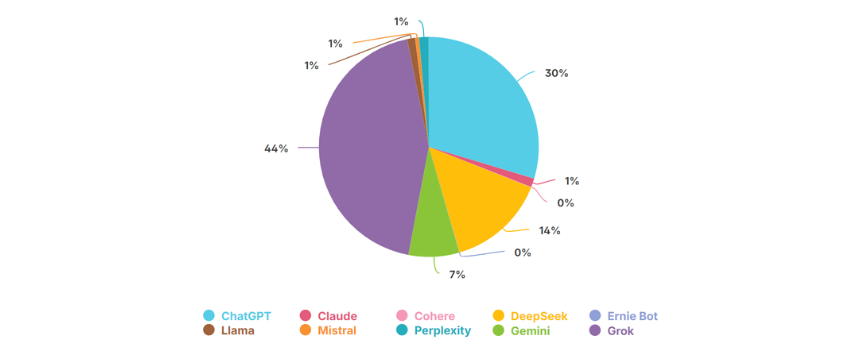
- Grok led with 44%, largely due to its unfiltered responses, provocative tone, and controversial takes on social and political matters on X (Twitter).
- ChatGPT followed with 30%, recognized for its utility in everyday queries and political discussions.
- DeepSeek accounted for 14%, reflecting its swift market entry and geopolitical relevance.
- Other tools, such as Gemini (7%), Claude, Perplexity, Cohere, and Llama, registered single-digit SOV, indicating lower awareness or niche usage in the Greek digital sphere.
Sources breakdown
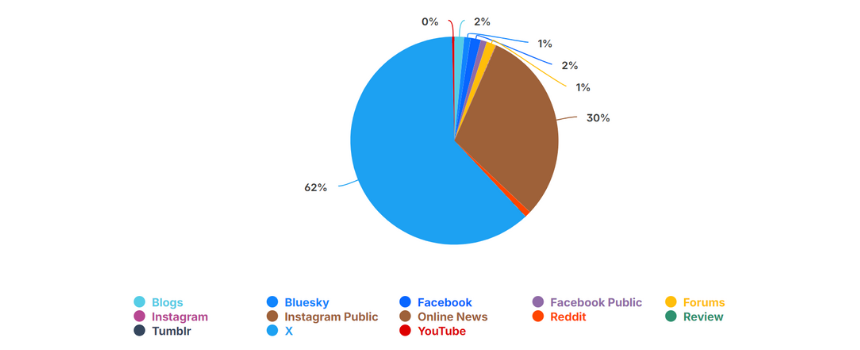
The breakdown per source shows that:
- X (Twitter) dominated with 62% of mentions, serving as the main arena for humor, commentary, and real-time interaction with tools like Grok, which answers within discussions.
- News websites followed with 30%, focusing more on the ethical, technological, and political implications of AI.
Topic cloud
The analysis of publications and posts reveals a wide range of topics that shape the collective perception around Artificial Intelligence. The topic cloud, as depicted on the Brandwatch platform, includes keywords, hashtags, and emojis, which serve as indicators of sentiment, themes, and cultural reactions. 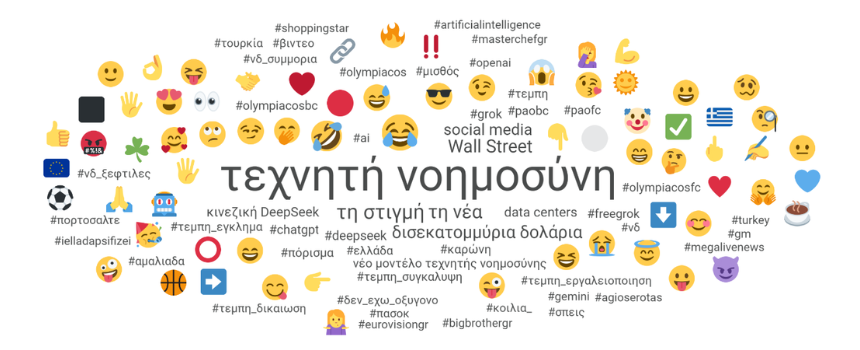
Terms like “new model,” “data centers,” and “billions of dollars” reflect AI’s revolutionary status and its ties to economic power.
- Political Satire & Debate
Hashtags such as #τεμπη_συγκάλυψη (Tempi cover-up), #νδ_ξεφτιλες (ND disgrace) show AI being used to probe political scandals, raising public doubts about AI neutrality and its impact on civic perception.
The presence of hashtags such as #olympiacosbc, #paobc, #paofc, as well as emojis like 🏀, ⚽, and 🏆, shows a strong connection between AI and sports, using it as a “smart commentator.” Users either ask for result predictions or use AI applications for humorous or forecasting comments.
- Everyday Humor & Casual Use
The widespread use of emojis and playful queries (e.g. “I dreamed of a white dove, what does it mean?”) demonstrates how AI has permeated everyday conversations, especially with Grok’s unpredictable, sometimes profane, replies.
- Tech Rivalry & Innovation
Mentions of ChatGPT, DeepSeek, Grok, Gemini, and terms like “Wall Street” and “OpenAI” point to a narrative shaped by big tech rivalries, model innovation, and concerns over monopolistic power.
- Ethical Concerns & Misinformation
Emojis like 🧠😱😐 and terms like “surveillance,” “control,” “data” suggest a growing unease about AI’s ethical use and manipulation of information.
Food for thought
With a quick analysis of more than 140,000 posts and comments, we gathered critical information and conclusions on serious issues affecting society, politics, technology, and daily life. This particular case highlights the vast potential of digital listening as a tool for strategic understanding of the audience, the topics that concern them, and the dynamics of public discourse in real time.
Through a targeted deep-dive analysis of Brandwatch data, communication professionals can extract more specialized insights, identify crucial narratives, and design strategies based on real data.
Analysis Identity
Digital Listening Tool: Brandwatch
Date Range: 01/01/25 – 10/07/25
Sources: Websites, Blogs, Forums, Social media
Keywording/Analysis: Clip News
Search Limitations: The Brandwatch platform collects data from websites, blogs, forums, social media (X, Facebook, Reddit, Tumblr, etc.) with the restrictions defined by each channel. For example, discussions in closed forums and Facebook private groups, or Instagram Stories, are not collected. The above analysis provides an indicative approach, taking into account that varying the publicity data sample and time range may produce different insights.

Clip News continues its strong presence in Cyprus with the renewal of its partnership with the Cyprus Publishers Association for another year, extending until September 2026. This development reaffirms Clip News’ commitment to delivering high-quality media monitoring and publicity analysis services, solidifying its leadership position in the Media Monitoring sector.
Three years of successful collaboration
Since Clip News secured the partnership through a public tender in September 2022, the media monitoring landscape in Cyprus has undergone a significant transformation. For the first time, a legal, organized, and fully regulated framework was established for the distribution and use of media clipping services, with full respect for intellectual property rights. This approach not only ensured the legal compliance of the services but also set new standards for quality and professionalism in the industry.
Beyond Simple Monitoring
“The renewal of our partnership with the Cyprus Publishers Association confirms our commitment to offering Media Monitoring services with quality, professionalism, and respect for intellectual property” noted Katerina Kechagia, Vice-President of Clip News and Head of the company’s operations in Cyprus.
Ms. Kechagia added that “In these three years, we have managed to transform the media monitoring market in Cyprus by delivering not just information, but essential tools for strategic analysis”.
Enabling data-driven decision making
Clip News’ philosophy in Cyprus is clear: to be the most trusted partner for communication, PR, and marketing professionals. This is achieved through data-driven solutions that support strategic, evidence-based decisions.
Ongoing investment in technology is a key part of this approach, enhancing the accuracy, speed, and usefulness of its services.
The future of Media Monitoring in Cyprus
With this renewed agreement, Clip News remains the legal provider of media monitoring and media analysis services for the members of the Cyprus Publishers Association. The company continues to offer its subscribers a dynamic and ever-evolving experience, tailored to their professional needs.
The success of the past few years guarantees the continuation of high-quality services and the innovative approach that has positioned Clip News as a leader in media monitoring in both Greece and Cyprus.

The AI Report Excellences 2025 awards ceremony, organized by Teamworks – MetaTeam in collaboration with AI Report magazine, took place on July 15, 2025, at the Divani Caravel Hotel, attracting a large audience from both the public and private sectors, leading tech organizations, and state representatives.
The event spotlighted pioneering initiatives in artificial intelligence and digital transformation, from optimized public sector solutions to sustainable tech applications and private sector analytics platforms.
During the ceremony, Deputy Minister of Digital Governance, Christos Dermetzopoulos, highlighted the benefits of responsibly integrating AI in public services, emphasizing its role as a tool that “enhances transparency and efficiency in public administration”.

Clip News: Honored for AI Summary Report
Clip News was recognized in the AI & Data Analytics Platforms category for its AI Summary Report, affirming its leadership in media monitoring technology. The distinction underscores the company’s commitment to fast, reliable, and high-quality publicity analysis tailored to the needs of communication and marketing professionals.
Clip News Vice-President of Media Intelligence, Katerina Kechagia, accepted the distinction from Dr. Alexandros Varveris, Governor of e-EFKA. “This award for our ‘AI Summary Report’ confirms that our strategic investment in innovation and artificial intelligence is bearing fruit. I want to thank the entire Clip News team for their dedication, as well as the brands that trust our technology and expertise. AI is already transforming the communications landscape,” Ms. Kechagia noted.

Founded in 1999, Teamworks – MetaTeam aims to create communication channels across the Greek ICT market. The company operates in the fields of conferences, digital and print media, and communication tool development for the digital technology sector.
By connecting businesses, public entities, IT professionals, policymakers, and academic institutions, Teamworks highlights entrepreneurship and social impact initiatives in the field of Information and Communication Technologies (ICT), a crucial sector to Greece’s development.

Creating a marketing plan is a complex field where diverse and sometimes conflicting elements must harmoniously fulfill the goals that have been set. (more…)

Whether you know it or not, your brand is already the subject of online discussions – in editorials, online forums, social media posts and comments. Especially on social media, consumers express opinions, feelings and experiences that directly affect the reputation and image of your business. With 5.2 billion social media users worldwide, who represent 64.7% of the population, the need for strategic Social Listening has never been greater. In Greece, the 7.32 million active users (73.5% of the population) spend daily more than 2 hours on social media, creating priceless information for brands that need to know about it in order to be able to use it for their benefit.
The difference between Social Media Monitoring and Social Listening
Before we look into the potential of Social Listening, it is important to understand how it differs from Social Media Monitoring. While the two terms are often used as synonyms, in reality they serve different purposes and operate on different levels and in different depths. Let us summarize their main differences:
Social Media Monitoring is the first line of defense, when it comes to business publicity monitoring. It records references and comments about your brand, your competitors and your sector, in real time. It mainly “fishes”, collects and stores publicity data from social media and is destined for short-term problem settlement.
The main purposes of Social Media Monitoring are the management of the reputation of your brand and customer service, with alerts for every reference. It is a necessary tool for the management of crises and for maintaining active communication with your audience. It can be manual or automated, focused on alerts. It is usually based on key tools of media monitoring platforms or dashboards.
Social Media Monitoring has a rather reactive character. Companies respond to what is being said about them, the very moment something happens. Social Media Monitoring collects references, without particularly dwelling on the broader framework. The purpose is to inform you about what is being said and where, in order to be able to intervene, if need be.
Social Listening is not just about monitoring what is being said about your brand, your competition or your sector. It analyses social media discussions, in order to understand trends, feelings and opinions about your brand, your sector or your competitors.
Social Listening dwells more on data, using tools and analytics to interpret sentiment (positive, neutral, negative), locate the causes of trends and analyze the broader framework of the discussions. It allows brands to understand many of the motives behind discussions, locate opportunities and make marketing, product development and PR decisions, based on actual data.
It usually requires more advanced, automated tools, that can collect and analyze data from many sources. Such tools usually allow for automatic sentiment analysis, the detection of topics that stand out, the location of important users mentioning your brand, KPIs (such as Impact or Reach) and automatic summaries of the key points of the references. However, the composition, the in-depth analysis and the extraction of useful conclusions are still made by analysts, the so-called “media analysts”. The combination of contemporary tools and human expertise reduces the time that thousands of publicity data would need to get processed and highlights useful information about the brands.
Social Listening is a more proactive approach. Companies are trying to understand the reason things are being said about them and predict needs or issues before they evolve, using insights to decide their next moves. It focuses on the long-term health of your brand, the evaluation of campaigns and future strategic plans.
While Social Media Monitoring responds to “what is happening now” and has a reactive character, Social Listening focuses on “what this means for the future” and constitutes a more proactive approach. The two approaches naturally complement each other and are necessary for an integrated social media presence strategy for any brand.
The hidden opportunities that Social Listening reveals
Many of the most valuable opportunities for a brand are hiding in spontaneous consumer discussions, comments, complaints, hashtags, etc. Social Listening operates as a “radar” that tracks discussions and turns them into strategic knowledge:
1. Emerging customer needs and opportunities
With the average user visiting 6.83 different platforms monthly, opportunities for the tracking of different useful insights multiply. Language and context analyses in discussions reveal consumer needs that are not being met, unexpected product uses and pain points that traditional market research methods would eventually highlight, but not immediately.
Many successful brands have discovered new consumer behaviors through Social Listening, which led to the development of new products or to the readjustment of their marketing strategy.
Case Studies:
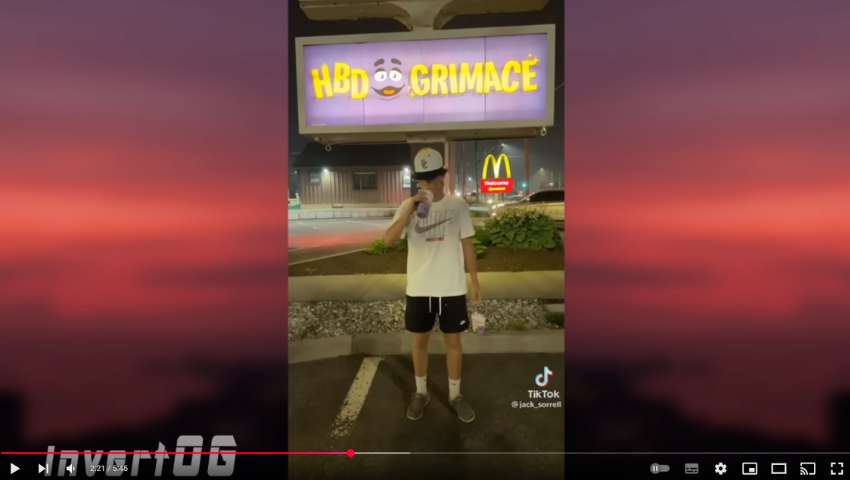
A known case study is “Grimace Shake”, a berry-flavored milkshake of McDonald’s. In 2023, the company launched the product and, all of a sudden, a TikTok trend went viral, showing users that tried the milkshake and ended up starring in “horror scenes. Through Social Listening, the company located the trend, analyzed the positive and funny sentiment and decided to include it in its strategy, instead of ignoring it. The company took part in the discussion and increased its brand engagement, especially with Gen Z. As a result, sales went up and the entire issue had a positive impact on the company’s quarterly financial results.
Another case study is “Lucifer” TV show. When FOX cancelled the show, fans launched a huge social media campaign with the #SaveLucifer hashtag. Through Social Listening, Netflix located the volume of relevant references and the extent of the discussion, analyzed the positive sentiment of users and decided to buy the show. As a result, Lucifer became one of the most popular shows on the platform, proving that properly reading of social media discussions can lead to smart strategic decisions.

2. Competitive intelligence for strategic advantage
Social Listening is not just about your brand, it is also about how consumers talk about your competitors. Through the monitoring of references, comments and reactions for other companies of your sector, you get a precious competitive advantage:
- Location of market gaps: If users are expressing discontent and non-fulfilled needs for the products of other companies, such information can lead you to new development opportunities. For example, if you often see complaints about a competitor’s after-sales service, you can invest in a better customer care service and advertise it strategically.
- Analysis of competition successes and failures: By monitoring which campaign “skyrocketed”, or which campaign caused a negative backlash, you can understand what works in your market and what does not, without having to be the first to try it out.
- Discovery of new audiences-targets: Through posts and comments about other brands, you can locate consumer groups that you had not located up to now, but correspond to similar products or values.
- Prediction of competitor moves: If you see a sudden increase in positive comments or a buzz regarding a competitor, they are most likely preparing a product launch, a new campaign or rebranding. Timely monitoring allows you to prepare accordingly or react dynamically.
3. Detection of brand advocates and micro-influencers
In times when 87.3% of the adults worldwide use social media, discovering unsolicited influencers is crucial for success. Social Listening locates consumers who recommend your products spontaneously, without an agreement with your business.
Such supporters are gold for your brand. Strengthening such authentic “voices” on social media can increase the popularity of your brand and create trust through authentic word-of-mouth marketing.
The effectiveness of brand advocates lies with their credibility. As opposed to traditional influencers, who have hundreds of thousands of followers, micro-influencers and brand advocates are often part of smaller, but more engaged communities. The authenticity of their recommendations offsets their smaller reach, as their audiences tend to trust them more.
Moreover, Social Listening allows you to locate, not only people who talk positively about your brand, but also the reasons why they are doing so, the specific aspects of the products they glorify and the feelings they associate with a brand. Such information allows companies to develop more targeted strategies for the cultivation and maintenance of such relationships.
4. Data-driven marketing optimization for better results
With social media users in Greece spending 2 hours and 21 minutes daily on social media, opportunities for engagement are limitless. Social Listening allows you to understand how the sentiment about a topic evolves over time and prevent a negative publicity crisis, before it spreads to other channels.
Real-time Social Listening insights from all available social media channels allow you to trace trending topics, adjust your message and dynamically optimize your campaign. That is particularly important, when we know that users visit multiple platforms and their preferences evolve rapidly. Besides, social media do not operate as silos on a communication level, but they are inseparable. For example, a YouTube advertisement with many views can “transfer” to other channels very quickly, giving users the opportunity to discuss and comment on the topic, positively or negatively.
Case Studies:
A relevant case study is the Pantene campaign under the title #HairHasNoGender, which brought to the spotlight 5 queer persons, members of the Greek LGBTQ+ community. The YouTube video went viral and the discussion quickly passed to Facebook and X, with hundreds of users positively or negatively commenting on the content and the purpose of the advertisement.

Another similar case study from the Greek market is the “Whatever you want to be” campaign of AB Vassilopoulos supermarkets. On occasion of International Father’s Day, the father starring in the campaign let his daughter put makeup on him and cover his hair with colorful hairpins, which caused a long discussion on social media.

In order for the success of a campaign to be measured, one needs to be able to measure its popularity in all the channels that the campaign appeared on. The above examples are proof that an advertising campaign is not limited to the initial media it appeared on, but creates a network of discussions that expands horizontally to the digital ecosystem.
The value of Social Listening lies precisely with its ability to grasp the level of cross-platform spreading. Measuring the views of the initial video or comments below it, is not enough. We also need to monitor how the message transforms, how t is interpreted and reproduced in different channels.
Moreover, real-time insights allow companies to directly react to the developments. When a campaign causes strong reactions, positive or negative, one’s ability to adjust their strategy in real time can make a difference between failure and success. That means that Social Listening is not just a measurement tool. It complements Social Media Monitoring as a strategic adjustment tool that allows the flexible management of your communication strategy, depending on the way public discussion evolves.
The Greek digital landscape: Opportunities and trends
Greece has an interesting digital landscape for Social Listening. With 6.59 million adult users (76.6% of the active population) active on social media, brands have access to a large audience.
Popular platforms in Greece:
- Facebook: holds a lion’s share of 85.73%, in spite of the fact that its active use has slightly reduced
- Instagram: 4.25 million users
- X: the known former Twitter
- YouTube: top video platform with 7.4 million accounts
- TikTok: the platform with the fastest growth, with 40% of the population in Greece updating its account on a monthly basis
- LinkedIn: with 2.8 million users, the most popular platform for professionals aged 25-55 years old.
Practical tips for effective Social Listening
Knowing the power of Social Listening is the first step. The next step is to use it to your advantage. With the right practices, tools and targets, you can turn the vast volume of online discussions into actually useful business actions. The next section lists simple and substantial steps towards starting or improving your strategy:
1. Setting strategic targets and KPIs
Successful Social Listening begins with clear and quantifiable targets. Instead of general pursuits, such as “improving your reputation”, you need to set specific targets that take into account qualitative elements, such as “increasing positive sentiment by 15% in 6 months” or “reducing the time of response to social media customer complaints by 40% in a year”.
Basic KPIs you need to monitor include brand sentiment evolution, Share of Voice compared to competitors, source significance (Impact, Reach), the speed of response to feedback, and the ROI of campaigns based on Social Listening insights.
2. Selection of tools and approach
In Clip News, we believe in combining the experience of our expert analysts with the potential of advanced technology. Automated tools may be able to process large volumes of data, but expert analysts offer context and are able to understand small differences in meaning that Natural Language Processing (NLP) or AI algorithms cannot.
Such “hybrid” approach proves particularly useful in the Greek online environment, where cultural references, the particularities of the Greek language and local expressions require a deep understanding of the social and cultural framework. While AI tools can locate keywords and basic sentiment patterns, they often miss important details, such as Greek irony, local dialects, cultural innuendos or references to Greek memes and viral content. Our experienced analysts recognize such elements and can interpret, not only what users say, but also why they say it, what they really mean and what is the broader impact on the brand on a local market level.
3. Integration in business strategy
Data collected from Social Listening need to be strategically allocated across the organisation structure of your business. Therefore, a data democratization system needs to be developed, in order for each department to be able to access the information they need, in the form they need it. Create a single ecosystem of information that supplies your marketing and sales’ departments, your customer service department and the R&D department.
Each department needs adjusted insights that meet its needs and targets. For example, the communication department needs real-time alerts to locate negative references to the brand, in order to effectively deal with a situation as quickly as possible. On the other hand, the R&D department needs analyses of data collected over a significant time period (e.g., quarter) regarding the unfulfilled needs of consumers, in order to schedule improvements in products or services.
Trends for 2025 and the future
Social Listening evolves constantly, going hand-in-hand with technological and social changes. Businesses are called to adjust to consumers moving to new platforms and demanding more customized experiences. In the following section, we are looking into the main trends that shape the future of Social Listening:
- Technological developments that shape the landscape:
AI and Natural Language Processing are constantly improving in terms of understanding sarcasm, irony and the cultural context of discussions, while they speed up the processing of larger publicity data volumes. Constantly improving the real-time updating of social media data facilitates the quicker location of useful conclusions, while predictive analytics allow you to predict trends before they become mainstream.
- Emerging strategic priorities:
An increasing number of top businesses worldwide are adopting proactive approaches. By analysing unusual peaks in the volume (buzz) of social media references or the abrupt increase of the number of negative references (sentiment), businesses manage to locate irregularities in discussion data, as well as emerging trends, months before they become mainstream.
At the same time, they invest in the development of complex performance models that connect Social Listening insights to quantifiable business results. The new generation of businesses combines Social Listening data with CRM, sales information, marketing KPIs, market research and consumer behavior analyses, creating a 360° customer profile that allows for super-customized experiences, often in real time. Such a holistic approach turns every contact with customers into an opportunity for a deeper connection and long-term devotion.
- Compliance and responsible use of data:
As data privacy regulations are becoming stricter, transparency in the use of data becomes crucial. For that reason, Media Monitoring and Social Listening platforms are “fishing” data from social media, always based on the restrictions set by every channel. “Ethical listening”, which respects user privacy and complies with EU’s GDPR, are main requirements for every Social Listening strategy.
Social Listening as a competitive advantage
With 5.2 billion social media users worldwide, the need for strategic Social Listening has never been greater for brands. Social Listening reveals opportunities hiding in the chaos of public discussions. Companies that invest in such “consumer intelligence tools” add to their weaponry a strategic advantage that allows them to innovate and protect their reputation more effectively.
In Clip News, we combine cutting-edge technology with the expertise of our analysts, in order to offer Social Listening solutions that turn data into useful information. In a constantly-evolving digital world, Social Listening is a necessary tool for every brand that wants to remain competitive.

The success of LEX, with around 100,000 tickets sold out for his two concerts at OAKA within just a few days, sparked a wave of discussion on the internet and social media about the phenomenon-artist. With total catalogue streams of 270.2 million on Spotify and 75.6 million listens for the songs from his latest album “G.T.K.”, which also became the fastest platinum Greek record in the digital release era, it’s natural that he captures public attention regardless of age, gender, or musical preference.
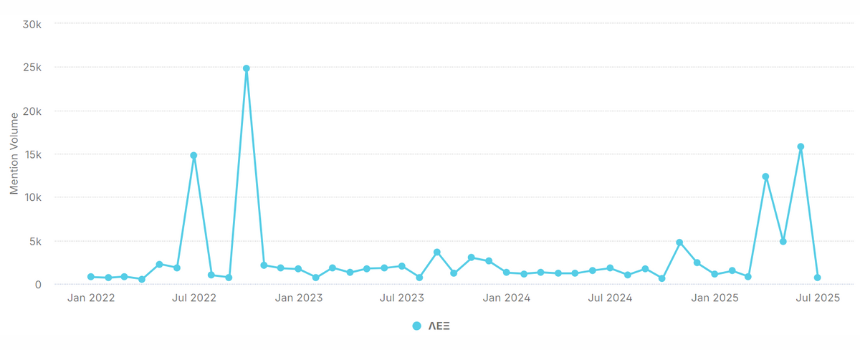
Nevertheless, and contrary to what one might assume, data shows that the total number of references on the internet and social media in June 2025 is lower than that of 2022, when his two major concerts took place in Athens and Thessaloniki. More specifically, in July 2022 he filled the Panionios stadium in Nea Smyrni with 20,000 people, and in October of the same year, he performed at Kaftanzoglio Stadium in Thessaloniki for 30,000 spectators – a record number for a hip-hop concert in Greece.
From Haroula Alexiou to Palestinian flags
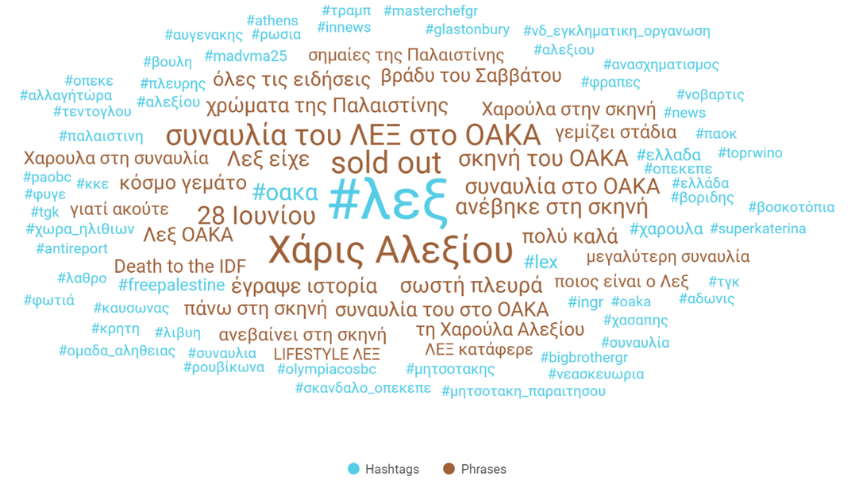
The range of public discourse around him has become particularly diverse lately: his relationship with Light and the latter’s sexist lyrics, as well as his non-condemnatory stance on Palestine, which was criticized as “silence.” At OAKA, however, the audience was impressed by his collaboration with Haroula Alexiou on the song “Fyge”, while the strong presence of political messages and Palestinian symbols elevated the discussion to new levels, transitioning from music to the social and political sphere.
The digital reflection of a sold-out phenomenon
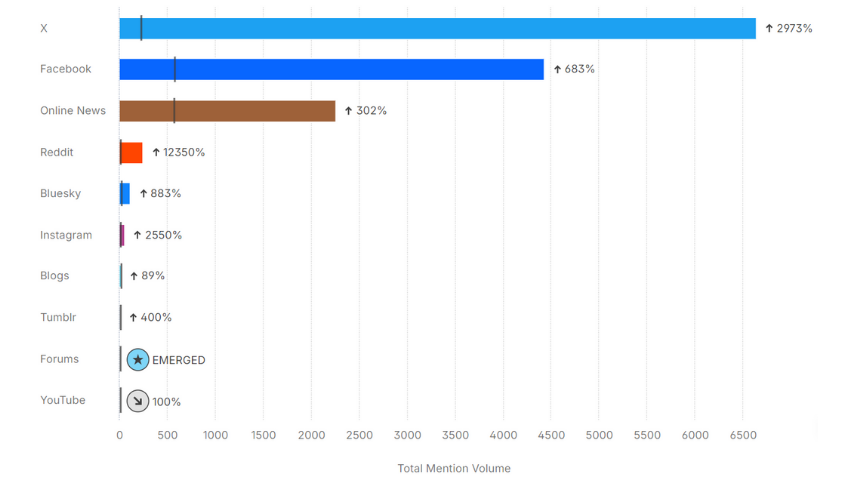
The most explosive rise in mentions of the June 2025 concerts was recorded on platforms like X, Facebook, websites, and more “alternative” communities like Reddit and forums. In contrast, Instagram seems to have a lower presence, due to the nature of its content: the chart only records relevant Instagram posts, while during the concerts it was Instagram stories that dominated – which are not tracked by the platforms.
When music meets the social pulse of the new generation
LEX’s concerts generated massive digital interest not only for their artistic value but also for their social resonance. LEX’s presence, voice, and messages seem to represent an entire generation, and the online and social media discussion about him proves it.
Analysis identity
Social Listening Tool: Brandwatch
Date Range: 01.01.22 – 02.07.25
Sources: Websites, Blogs, Forums, Social Media
Keywording/Analysis: Clip News
Search Limitations
The Brandwatch platform collects data from websites, blogs, forums, social media (X, Facebook, Reddit, Tumblr, etc.) with the restrictions defined by each channel. For example, discussions in closed forums and Facebook private groups, or Instagram Stories, are not collected. The above analysis provides an indicative approach, taking into account that varying the publicity data sample and time range may produce different insights.

Using the Brandwatch platform and the capabilities of social listening, our analysts recorded the dynamics of the conversation in Greece regarding the Middle East from May 1 to June 23, 2025. The analysis was based exclusively on data from X (Twitter), aiming to capture the online narrative of a multi-layered geopolitical event.
Dramatic Rise in Discussions
The volume of mentions on X reached 767,610, with two peaks:
- On June 13, with the onset of the military conflict between Israel and Iran.
- On June 22, with the U.S. attack on Iranian facilities.
These dates coincided with sharp increases in the volume of posts and comments, reflecting users’ intense emotional reactions. 
What the Public Is Saying
Until June 13, the discourse mainly focused on the Israel-Palestine conflict. The public conversation was not necessarily pro-Palestinian, but largely critical of Israel’s military and political actions. The tone was highly charged, with frequent comparisons to the Russia-Ukraine war and references to “double standards” by the West.
The cloud highlights hashtags such as #freepalestine, #genocide, #standwithisrael. The presence of hashtags like #Mitsotakis and #Mitsotakis_government indicates the domestic politicization of the discussion, with sarcastic remarks about the stance of the Greek government. 
Key Players
By country:
- Israel accounts for 47% of mentions.
- Followed by Palestine (23%), Iran (19%), and the U.S. (11%).
By individual:
- Netanyahu (52%) and Trump (46%) dominate, while Khomeini appears minimally (2%), indicating the framing of the discussions.

Sentiment and Rhetoric
The vast majority of mentions carry a negative tone. The content is characterized by:
- Condemnation of Israel’s actions using terms like “genocide” and “war crimes.”
- Calls for humanitarian aid and international intervention.
- Concerns about widespread conflict, without specific references to economic or terrorist consequences.
At the same time, there is a small but present share of neutral positions advocating for peace amid a deeply polarized climate.
What Social Listening Reveals
The conflict in the Middle East is a profound human tragedy that triggers intense emotions, political disputes, and global reactions. Social listening acts as a mirror of public opinion, helping us understand how narratives are formed and which concerns dominate the most critical issues of our time.
Analysis Identity
Social Listening Tool: Brandwatch
Date Range: 01.05.25 – 23.06.25
Sources: X (Twitter)
Keywording/Analysis: Clip News
Search Restrictions
The Brandwatch platform collects data from websites, blogs, forums, social media (X, Facebook, Reddit, Tumblr, etc.) with the restrictions defined by each channel. For example, discussions in closed forums or Facebook private groups are not collected. The above analysis provides an indicative approach, taking into account that varying the publicity data sample and time range may produce different insights.

On June 18, 2025, as part of the “PR in Cannes” event, hosted by the International Communications Consultancy Organisation (ICCO), an insightful and timely panel discussion took place titled “Driving Measurable Impact in Media Intelligence & PR”, featuring three leading professionals in the field:
- Katerina Kechagia, Vice President of Clip News and of FIBEP
- Florian Laszlo, CEO of Austrian company OBSERVER
- Zuzana Richterova, Secretary of FIBEP
The discussion was held on LBB Beach, in a dynamic and quite hot setting (both literally and figuratively), where professionals from the fields of public relations, media monitoring, and data analysis exchanged views on the current state and prospects of the media intelligence industry.
What is Media Intelligence
As introduced by Zuzana Richterova, media intelligence refers to the process of monitoring, collecting, analyzing, and interpreting content from various media sources (print, digital, broadcast, and social) to extract meaningful insights about reputation, communication strategy, and decision-making for organizations and brands.

Key Challenges and Trends
In her remarks, Katerina Kechagia presented the findings of the latest “State of the Industry Survey” (SOI) by FIBEP, the World’s Media Intelligence Association:
- Stability and Resilience: 90% of companies in the industry expect stable or growing revenues over the next year. Media intelligence proves to be resilient and an essential service for businesses.
- AI – From Future to Present: One-third of companies already use AI for services such as content categorization, sentiment analysis, and language processing. AI accelerates workflows but also reshapes cost structures and client expectations.
- “More for Less” Mentality: Clients demand more insights, faster delivery, and lower cost. The pressure on efficiency requires service redesigns.
- Need for New Skills: 60% of companies report the need to retrain their staff to keep up with technological developments.
- Content Licensing: The biggest obstacle is the absence of a consistent global framework for fair, clear, and sustainable content use, which creates inequalities, costs, and legal uncertainties.

Media Rights Trust Initiative
Florian Laszlo presented FIBEP’s “Media Rights Trust Initiative” (MRTI), a step toward fairer content licensing. Its aim is to build a collaborative framework among media monitoring agencies, publishers, PR professionals, and Collective Management Organizations (CMOs) by:
- Creating unified and transparent content licensing models
- Balancing cost with value
- Promoting innovation while reducing legal uncertainties
Next Steps
Anyone interested in learning more about the “Media Rights Trust Initiative” can visit fibep.info/mrti.
Industry professionals are expected to gather again at the World Media Intelligence Congress, which will take place this year in Düsseldorf, from September 30 to October 2, 2025.

Technology is evolving rapidly, and with it, the entire field of media intelligence is being transformed. In this context, the International Association of Media Monitoring Companies (FIBEP) publishes its annual State of the Industry Survey (SOI), capturing the challenges, opportunities, and trends impacting media monitoring and analysis companies around the world.
This year, Katerina Kechagia, Vice President of Clip News and Vice President of FIBEP, had the opportunity to speak on the Media Intelligence Explained podcast about the survey’s findings and how they can be translated into practical strategies for businesses in the industry.
Key Findings from the 2024 Survey
- Positive industry outlook: 66% of companies reported stable or increased revenue, while 92% expect a stable or upward trend.
- Artificial Intelligence in the spotlight: 33% of FIBEP members already use AI in at least one service. Companies are expected to invest not only in technology but also in upskilling their human capital.
- Evolving client demands: Clients are seeking more than simple information. They want meaningful analysis and a consultative approach, while also expecting lower prices thanks to automation.
- Data fragmentation & regulatory challenges: The complexity of information sources and copyright regulations present new obstacles that require broader industry collaboration.
How Businesses Can Use the Survey
Katerina Kechagia proposed two main ways:
- Benchmarking: Each company can compare its performance against industry data to identify strengths and weaknesses.
- Strategic planning: The trends and findings provide a “roadmap” for future moves – whether that means investing, or redefining services.
The participation of Clip News and Katerina Kechagia in the survey and podcast highlights the company’s active role in shaping the future of media monitoring and the broader media intelligence sector.
The International Association of Media Monitoring Companies (FIBEP), now known as the World’s Media Intelligence Association, is the global federation of media monitoring companies. Clip News has been a member since 2002, contributing in various capacities and having hosted two global congresses as host sponsor: one in Limassol in Cyprus, in 2024 and another in Thessaloniki in 2011.
Listen to the Full Podcast
Listen to the full discussion in YouTube.
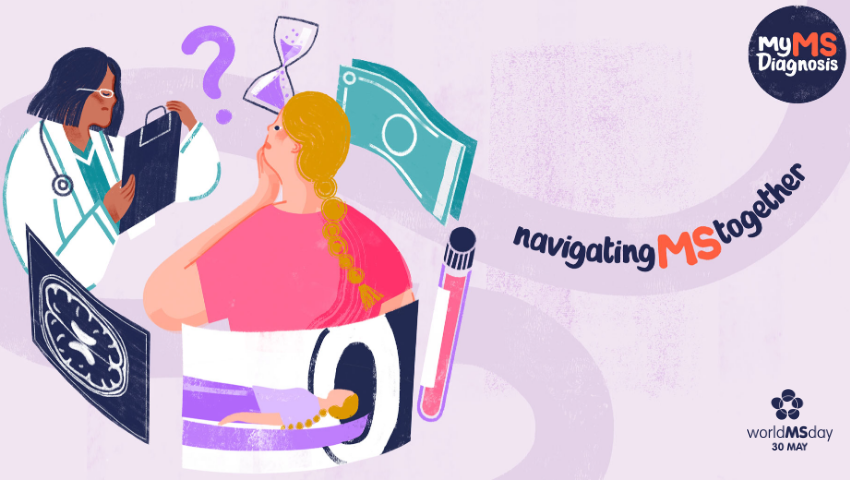
May 30 has been established as World Multiple Sclerosis (MS) Day, with the aim of raising public awareness and understanding of a chronic neurological condition affecting over 2.8 million people worldwide.
This year, the MS International Federation (MSIF) campaign focuses on the importance of early and accurate diagnosis. According to recent data, 83% of countries report significant barriers to MS diagnosis, depriving thousands of patients of timely care, appropriate support, and access to treatment. Early diagnosis can delay the progression of the disease, mitigate its impact, and significantly improve patients’ quality of life.
In Greece, the Hellenic Multiple Sclerosis Society marked World MS Day with a series of awareness-raising activities in Thessaloniki. These included sailing sessions for people with MS, experiential exercises, a Pilates class, and a 3 km race, inviting patients, healthcare professionals, and the wider public to participate in a meaningful and symbolic afternoon.
For yet another year, Clip News proudly supported the Hellenic Multiple Sclerosis Society by providing pro bono media monitoring services for the publicity surrounding World MS Day activities.
About the Hellenic Multiple Sclerosis Society
The Hellenic Multiple Sclerosis Society is a non-profit, non-governmental organization with approximately 7,000 members across Greece. For the past 33 years, it has been working to:
- Support people with MS in achieving autonomy as quickly and effortlessly as possible
- Improve patients’ daily lives and promote their participation in everyday productive activities
- Facilitate their social reintegration through employment
- Raise public awareness of the challenges posed by MS
- Contribute to the optimal use of current treatments and to research toward a definitive cure
- Provide accurate information to patients, caregivers, and healthcare professionals
For more information about the organization’s activities, visit www.gmss.gr.
 Portal Login
