
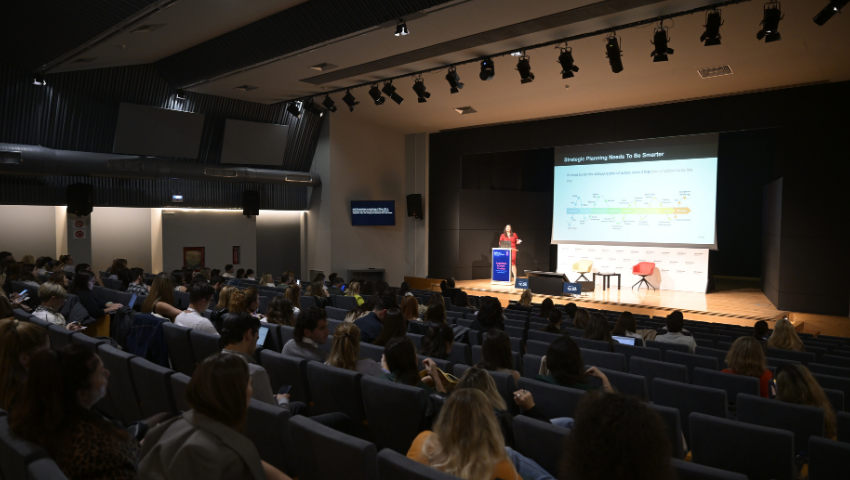
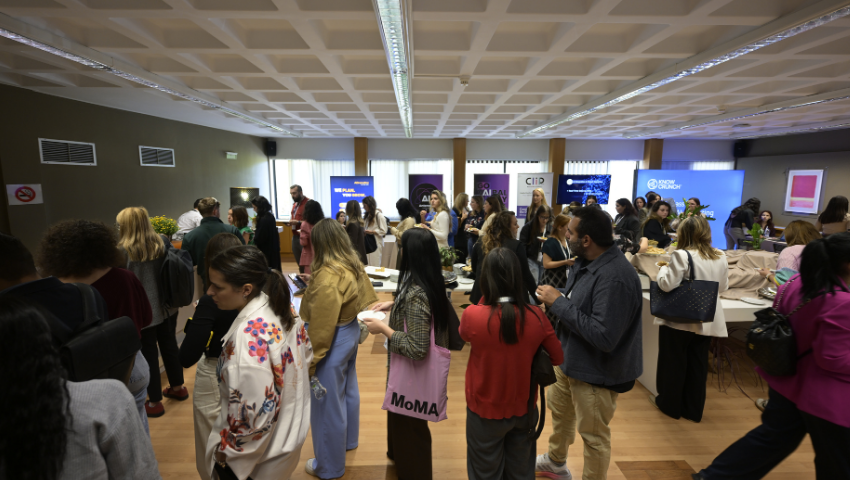
Clip News participated as a sponsor in this year’s “Social Media & Influencer Marketing Conference 2025”, held on October 9-10 at OTEAcademy, bringing together more than 250 marketing professionals, 18 speakers, and over 70 companies. Organized by Boussias Events, the conference showcased the new strategies and trends shaping the future of social media and influencer marketing, with this year’s focus centered on the power of artificial intelligence (AI), social commerce, and authentic storytelling.
The Value of Social Listening and Trust
Great interest and audience questions were generated by the presentation of Katerina Kechagia, Vice President Media Intelligence at Clip News, who highlighted the critical role of social listening in the strategic selection of partners and influencers. As she emphasized, “choosing the right influencer depends on many things, but everything starts with one magic word – trust”.
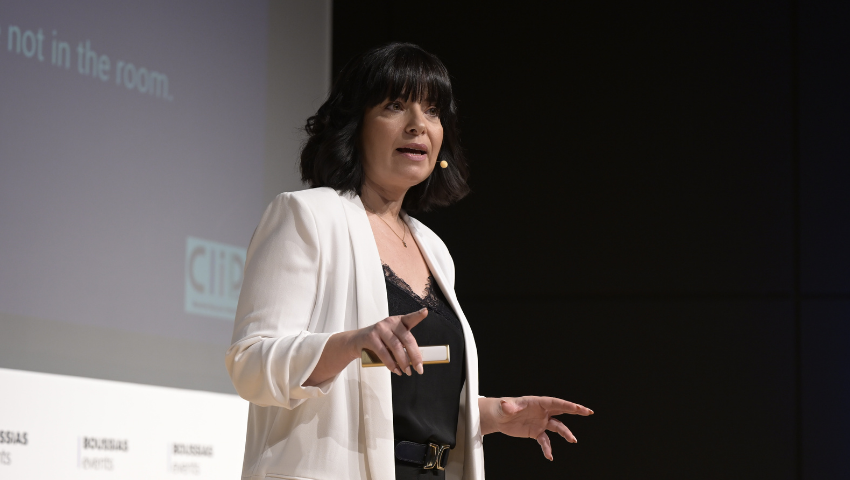
She explained that through social listening, brands can identify who is talking about the company or its competitors, understand their audience’s interests, and analyze which channels users engage with. She stressed the importance of real-time monitoring and smart AI alerts, which enable the detection of negative patterns before they develop into a crisis for the brand. Her remarks reinforced Clip News’ deep expertise in Media Intelligence and its contribution to strengthening corporate communication strategies.
The New Trends in Social Media Marketing
The conference showcased the latest global developments defining the new era of social media. Ashley Liddell, CEO of Deviation, analyzed the theory of Search Everywhere, noting that consumers are now searching for products within social media rather than through SEO. At the same time, Angelique Schierz-Crusius from Ampletides discussed the explosive growth of live shopping, expected to reach USD 600 billion in 2025, offering personalized experiences and higher conversion rates. Beth Thomas, Co-Founder of Slice, emphasized that every SoMe action must be brand-building, warning that many companies chase virality without creating real impact on their audience.
The Impact of AI and Authentic Storytelling
Artificial intelligence (AI) was a central theme across many presentations, with Τolis Aivalis, CEO of Knowcrunch, predicting that up to 80% of marketing tasks will be automated, while reminding that technology is a tool requiring proper training and utilization. Marketing Consultant Mercy Fulani highlighted the power of storytelling, noting that people are 22 times more likely to remember a story than a simple piece of information. Storytelling, she stressed, “is not the future of marketing, it is the present”.
The Platforms Shaping Tomorrow
Conference sessions also showcased the latest developments around Pinterest, LinkedIn, and YouTube. Eoin Carrigan, Lead Industry Manager at Pinterest, highlighted the role of visual search and the use of AI to improve user experience, while Jasmin Alic, ranked #1 LinkedIn Creator in the World, revealed that comments are the No. 1 growth hack on LinkedIn, recommending daily interaction to increase reach.
Google representatives Giorgos Skaltsis (Strategic Agency Manager) and Dimitris Krikonis (Senior Account Manager), along with Valia Sakkou (Head of Digital Marketing, Media, Ecommerce Media, Unilever), presented the success of Axe’s campaign through YouTube’s new AI-driven Video View Campaigns format, emphasizing the importance of shorts and visual consistency in content.
Clip News’ Contribution to the Social Media Ecosystem
With many years of experience in analyzing publicity data and social media, real-time monitoring, and AI-driven insights, Clip News reaffirmed its role at the conference as a strategic partner for brands and organizations seeking to gain deeper understanding of public discourse and strengthen their reputation. The company highlighted the importance of social listening as a key tool for more effective influencer marketing, PR crisis management, and building trust between brand and audience, elements that define the next chapter of SoMe.
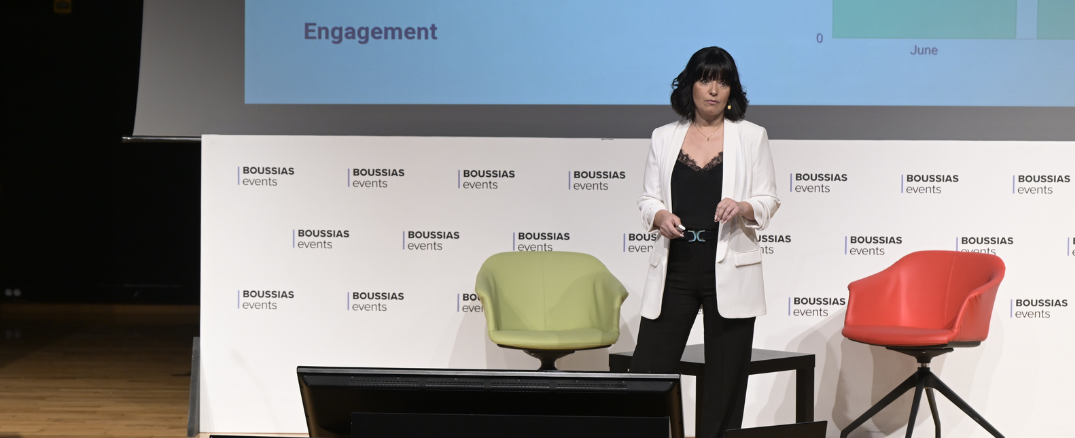
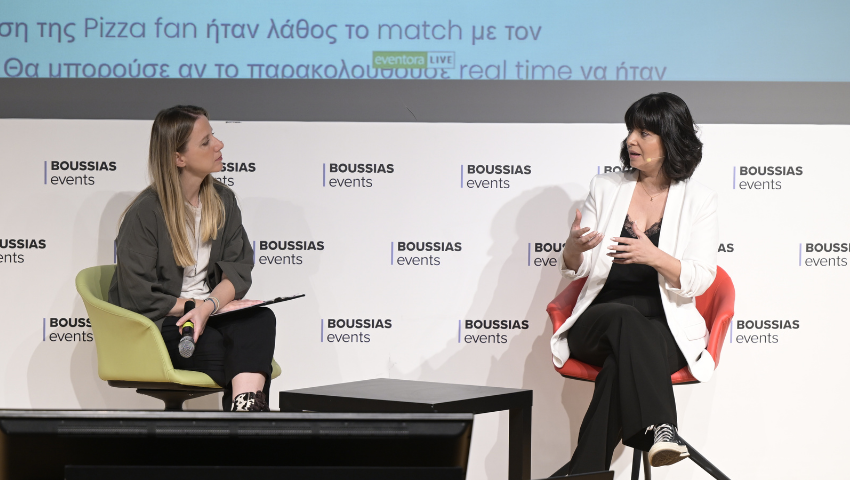
Clip News participated in the “Social Media & Influencer Marketing Conference” by BOUSSIAS, held at OTEAcademy on October 9-10, 2025. The presentation by our company’s VP of Media Intelligence, Katerina Kechagia, focused on how social listening transforms digital “noise” into strategy. Through real case studies (Pizza Fan, Pepsi), she demonstrated why data-driven influencer marketing is essential in ensuring authentic collaborations, aligning the brand with the right audience, and turning content creation into measurable business results.
Why We Were There
With more than 30 years of presence in the media monitoring sector in Greece, we actively support the communication ecosystem, this is why we participated as sponsors in this year’s event. Our goal was to showcase how social listening evolves from a “nice-to-have tool” into a strategic decision-making pillar that guides brand storytelling, the creation of meaningful relationships with audiences, and communication strategy during publicity crises.
In the talk “Influencer Swipe: How Brands Find Their Perfect Match,” Katerina Kechagia shared data-driven insights on how brands choose creators who genuinely align with their values, goals, and -most importantly- their audience. As she highlighted, influencer marketing is like a dating app: “Swiping is easy. Matching, however, requires chemistry with the audience; and that chemistry is proven with data”.
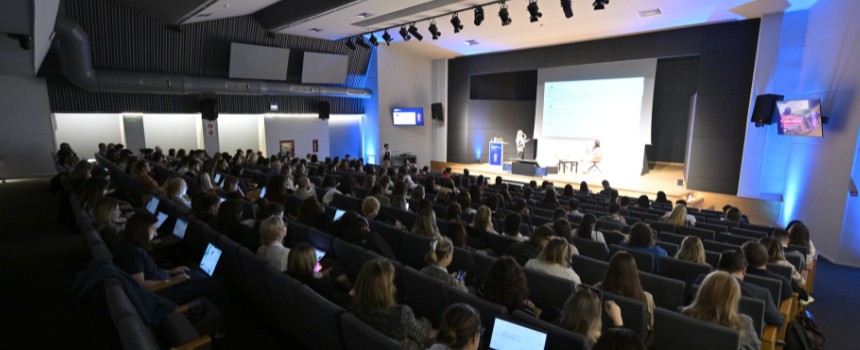
Case studies
1) Real-time Crisis: The Pizza Fan Example
What happened: Within a few hours, public posts and comments on social media about Pizza Fan skyrocketed to 8,434, triggered by statements from stand-up comedian Paris Roupos, who had a collaboration with the company.
- What we learned: Real-time social listening is not just for alerting; it helps shape the brand’s defensive strategy and manage a crisis. It enables communication teams to quickly diagnose critical issues, identify the users who drive the conversation around the brand (and thus influence public perception), and align messaging before negative narratives become established among consumers.
What we recommend: Live dashboards with data from all social media platforms for systematic monitoring, and email alerts for immediate updates.
2) When Star Power Isn’t Enough: Pepsi x Kendall Jenner
What happened: Despite the collaboration with the globally famous influencer Kendall Jenner, the audience perceived the campaign as superficial. It was withdrawn and the company had to issue an apology.
What we learned: Without a meaningful understanding of the audience, even the strongest partnerships can undermine brand equity.
What we recommend: Audience-centric strategy, analysis of social media discussions before and after selecting an influencer, and alignment of values between brand and influencer.
3) Volume ≠ Sentiment in a Campaign with 2M Impressions
What happened: In a campaign with more than 2 million impressions, sentiment analysis showed that most posts and comments were negative and sarcastic.
What we learned: Vanity metrics, such as buzz and impressions, are important but not enough to evaluate a campaign. Qualitative analysis of social discussions (context, sentiment) is essential for proper assessment.
What we recommend: Combining quantitative and qualitative metrics to extract actionable insights.
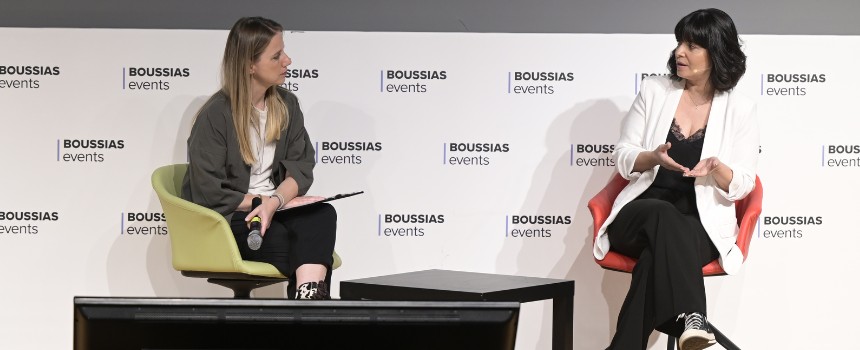
Key Messages of the Presentation
- • Success is not necessarily based on thousands of followers, but on trust and authenticity.
- • A brand’s reputation is not built only on owned media, but also through what is said in comments and discussions across all social media.
- • Micro-influencers stand out because they build meaningful relationships with their audience.
- • Real-time monitoring is the only way to listen and respond promptly.
Conference Highlights
This year’s BOUSSIAS event gathered Greek and international speakers with practical insights into the future of social media:
- The rise of Artificial Intelligence (AI) as an opportunity (not a threat) and the need for continuous learning and adaptation.
- The value of social brand equity and the importance of not being carried away by constantly shifting trends.
- The rise of social search, with consumers looking for products, brands, and information directly inside platforms.
- The growing power of social commerce and opportunities for direct transactions between brands and users.
- Leveraging LinkedIn engagement as a tool to strengthen brand sustainability and credibility.
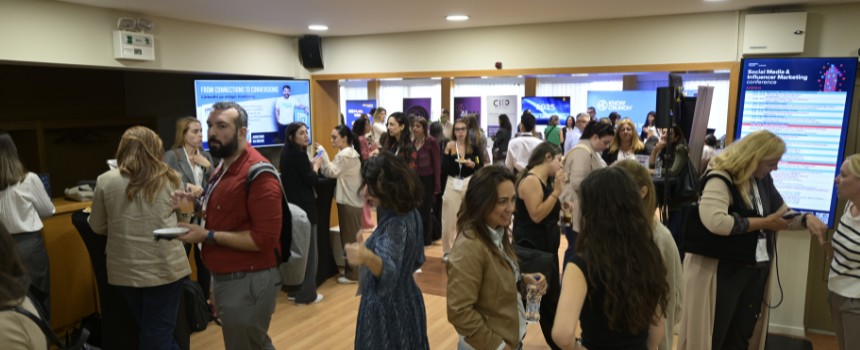
What Brands Gain from Social Listening
Social listening is not just a tool for monitoring social media publicity; it is the compass for designing every modern brand’s strategy. Success in influencer marketing and brand management relies on real data, qualitative analysis that interprets that data, and fast reflexes in the face of emerging risks.
In this journey, Clip News stands by every communication, PR, and marketing team, before, during, and after every campaign, providing real-time monitoring solutions along with essential human expertise.
Listening to the Audience
In today’s whirlwind of social media, brand perception can change within minutes, and the ability to “listen” to the audience in real time is invaluable. Every comment on social media is a piece of valuable information, as it can shape perceptions, emotions, and behaviors.
This is where Social Media Monitoring comes in. It’s the first step to gaining an immediate understanding of how the public perceives a brand. Through specialized tools, such as the Clip News Portal and Brandwatch, PR and Marketing experts can track what people are saying on social media about brands and competitors, identify growth opportunities, or avoid publicity crises.
From Monitoring to Listening
Social Media Monitoring is the collection of posts from social media channels, such as LinkedIn, X, Facebook, Instagram, TikTok, YouTube, through the search of specific keywords in dedicated platforms. This process is not limited to owned posts but extends across the entire spectrum of social media.
However, the power of knowledge does not have to stop at monitoring (or tracking). Social Listening goes beyond data; it analyzes the context of the discussion, the social media channels, top users, sentiment, trending topics, and more. It is the tool that enables communication teams to understand:
- How the audience reacts to a campaign
- How reputation evolves over time
- Which influencers align with the brand’s values
- Which influencers align with the brand’s values
SoMe & Influencer Marketing Conference
At the “Social Media & Influencer Marketing Conference 2025” organized by BOUSSIAS at OTEAcademy, Clip News Vice President of Media Intelligence, Katerina Kechagia, highlighted the capabilities of Social Media Monitoring and Social Listening through real case studies.
- In a campaign with over 2M impressions, sentiment analysis showed that most posts were sarcastic.
- During the recent publicity crisis of Pizza Fan, social media posts skyrocketed to 8,434 within just a few hours.
- The well-known Pepsi x Kendall Jenner campaign was considered superficial by the public despite the influencer’s millions of followers, leading the company to withdraw it.
Numbers, in order to gain real meaning, need to be combined with qualitative evaluation and turned into insights derived from public opinion. Because, as Ms. Kechagia characteristically stated, “Your brand is not what you say it is. It is what others say about it when you’re not in the room”.
Why It Matters Today
In an ever-changing communication environment, Social Media Monitoring and Social Listening offer:
- Real–time alerting for immediate crisis management
- Benchmarking against competitors
- Sentiment analysis and audience understanding
- Data–driven insights for strategic planning
The future of communication belongs to brands that truly “listen” to the audience, leveraging real-time monitoring solutions and analyzing social media discussions. Turning these into actionable insights results in deeper audience connection and more targeted campaigns.
The article was published on Daily Fax on October 21, 2025.
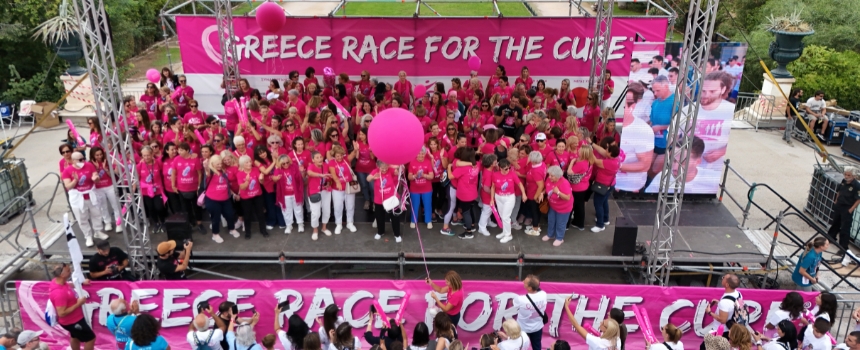
We were delighted once again this year to support Greece Race for the Cure®, the leading race-event against breast cancer, which took place on Sunday, September 28, setting a new record in participation.
More than 60,000 people of all ages filled the streets of Athens -and the internet through digital participation- sending the loudest message: TOGETHER we are stronger than breast cancer.
The event kicked off on Saturday, September 27, with prevention and awareness activities, sports and creative programs, while the Zappeion was illuminated in pink as a symbol of hope, remembrance, and solidarity. On Sunday, September 28, the symbolic 5 km run and 2 km walk turned the city into a grand celebration of life and strength.
Greece Race for the Cure®, organized by the Hellenic Association of Women with Breast Cancer “Alma Zois” in collaboration with the City of Athens and approved by Think Pink Europe®, is the largest sports event for a social cause in Greece and the second largest in Europe. The net proceeds from the race support programs offering free psychosocial support, prevention, and early diagnosis, as well as the ongoing advocacy for better care for women with breast cancer.
At Clip News, we are proud to stand beside such an important initiative, which is not merely a race but a collective act of life and solidarity. As a service sponsor, our company has undertaken the comprehensive monitoring of the race’s publicity, as well as all the activities of the “Alma Zois” Association, covering every communication channel, from television, radio, and print media to websites, blogs, and social media. In this way, we ensure complete tracking of the event’s visibility and its impact on a national level.
Information and prevention save lives. Together we continue stronger!
Learn more about the purpose and actions of the Hellenic Association of Women with Breast Cancer “Alma Zois” here.
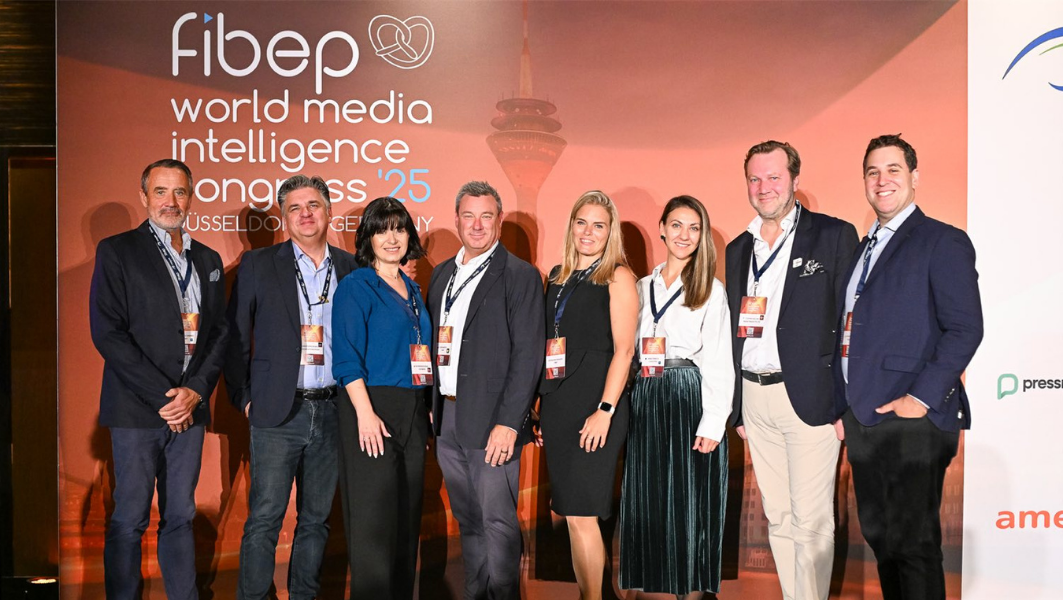
At this year’s FIBEP World Media Intelligence Congress 2025, held in Düsseldorf (September 30 – October 2), the Vice President of Clip News, Katerina Kechagia, was re-elected FIBEP Vice President for a second consecutive term, remaining responsible for the State of the Industry Survey. This honorary distinction reflects the international community’s trust in her work and dedication to the media intelligence sector.
The new Board of Directors of the International Media Monitoring Association (FIBEP) brings together the experience of professionals from across the globe. Alongside Katerina Kechagia, continuing their terms are Todd Murphy, Magdalena Horanska, Christophe Dickès, Natan Edelsburg, Steffen Egelund, Carlos Alfredo Diaz, Oresti Patricios, and Romina Gersuni, while the new members Anna Tsenova and Jon Anders Tangnes received a warm welcome.
During the Congress, Katerina Kechagia presented the results of the State of the Industry Survey 2025, the annual study that maps the evolution and outlook of the industry. Some of the key takeaways included:
- The industry maintains strong foundations and continues to demonstrate resilience, supporting growth prospects.
- The adoption of artificial intelligence and technological innovations is accelerating, transforming media monitoring services.
- Alongside progress, new challenges are emerging: intense competition, pricing pressures, changes in copyright regulations, and dynamic developments in human resources.
- Long-term success will depend on achieving the right balance between technology and human expertise, which remains irreplaceable.
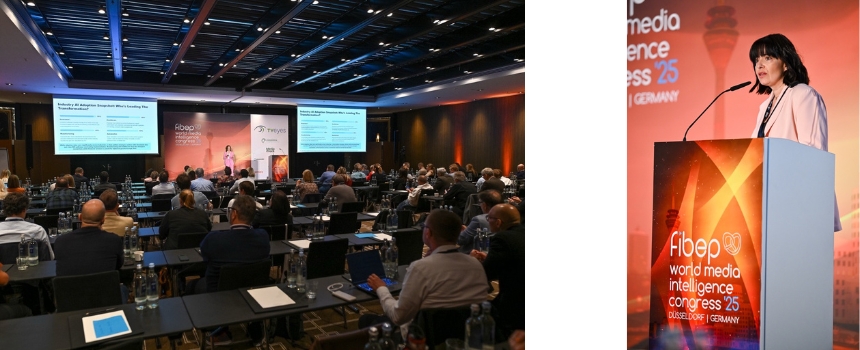
Katerina’s contribution to FIBEP’s State of the Industry Survey highlights the importance of international collaboration in understanding the trends shaping the future of media intelligence.
Learn more about the purpose and initiatives of the International Media Monitoring Association (FIBEP) here.
 Portal Login
